Noco tech Motor
As the global market continues to evolve, the trends surrounding DC Coreless Motors are becoming increasingly significant. Experts in the field, like Dr. Emily Tran, emphasize the importance of adaptation. She states, “Staying ahead in DC Coreless Motor technology requires constant innovation.” Her insight reflects the competitive nature of this industry.
DC Coreless Motors have unique characteristics. Unlike traditional motors, they lack a core, leading to higher efficiency and a lighter design. This makes them ideal for applications in robotics, drones, and electric vehicles. However, market saturation poses challenges. Companies must differentiate their products to avoid blending into a sea of sameness.
The rise of sustainability is also shaping trends. Manufacturers are exploring eco-friendly materials for DC Coreless Motors. This shift can lower environmental impact, but it requires careful consideration. Balancing efficiency with eco-friendly practices is crucial for future success. Ultimately, understanding these trends will empower global buyers to make informed decisions in this dynamic market.
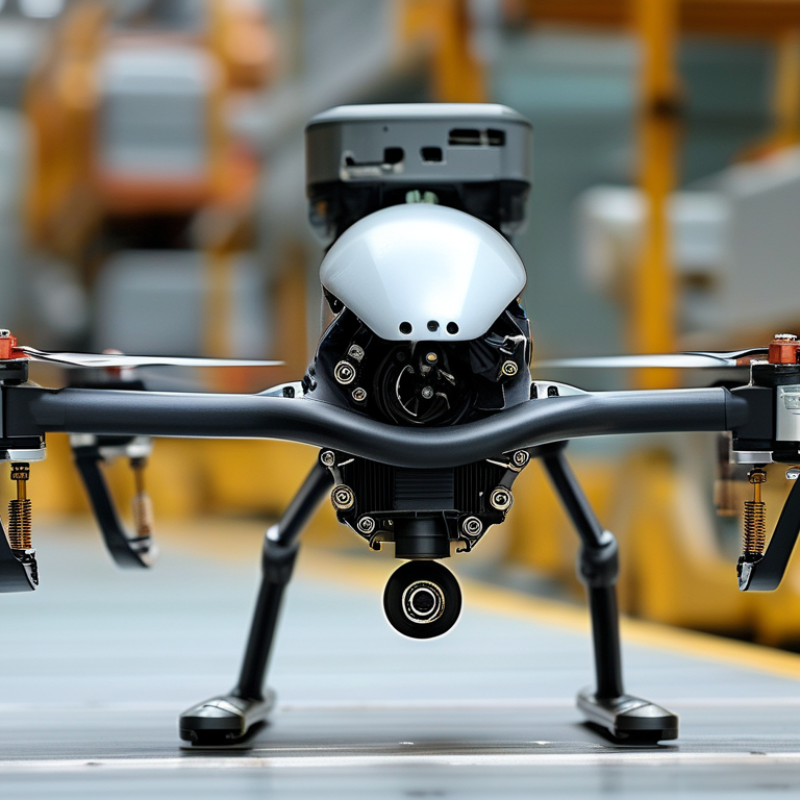
As we move into 2026, coreless motor technology is advancing rapidly. This innovation offers significant improvements in efficiency and performance. Coreless motors are lighter and generate less heat. This allows for longer operating times and enhanced reliability. Many industries are looking to integrate these technologies into their products.
One of the key trends is miniaturization. More devices are requiring compact solutions. Coreless motors can fit into smaller spaces while delivering high power. This trend presents challenges in design and production. Manufacturers need to refine their processes to meet these new demands effectively.
Tips: Focus on sustainability. Developers should consider eco-friendly materials for motor construction. This could enhance brand reputation and appeal to environmentally conscious buyers.
Another emerging trend is smart technology integration. Coreless motors can be equipped with sensors for real-time data monitoring. This provides better control and predictive maintenance opportunities. Users need to stay informed about potential software updates and security risks. It’s crucial to balance innovation with practical usability.
Tips: Regularly assess your motor technology. Ensure it meets evolving needs and standards. Adaptability will become a vital asset in a changing market.
Coreless motors have become essential in various industries due to their compact size and efficiency. They offer significant advantages in terms of lightweight design and high performance. According to a recent market analysis by ResearchAndMarkets, the global coreless motor market is projected to grow at a CAGR of 8% from 2023 to 2028. This growth reflects increased demand across sectors like automotive, robotics, and healthcare.
In the automotive industry, coreless motors are critical for electric vehicles (EVs). These motors enhance battery efficiency, contributing to longer vehicle ranges. In robotics, they enable precise movements in agile applications. The International Federation of Robotics notes a 14% increase in robot adoption worldwide, emphasizing the need for advanced motor technology.
Healthcare applications are also evolving. Coreless motors are employed in medical devices, ranging from surgical instruments to patient monitoring systems. Their reliability and performance are crucial in ensuring patient safety. However, proper integration remains a challenge. The industry must focus on optimizing motor design to address thermal management issues. Such attention to detail is vital for future advancements in coreless motor applications.
| Application Area | Estimated Market Growth (%) | Key Characteristics | Industries Utilizing Coreless Motors |
|---|---|---|---|
| Medical Devices | 8.5% | High precision, compact design | Healthcare, Biotech |
| Consumer Electronics | 10.2% | Lightweight, energy-efficient | Electronics, Appliances |
| Robotics | 12.0% | High torque, responsive control | Manufacturing, Automation |
| Automotive Applications | 9.5% | Durable, noise-free operation | Automotive, Transport |
| Aerospace | 7.8% | Lightweight, robust performance | Aerospace, Defense |
The trend of miniaturization significantly impacts coreless motor design and functionality. As devices become smaller, the demand for compact yet powerful motors increases. Coreless motors, with their unique design, excel in offering high efficiency in limited spaces. Their lightweight nature also enhances the overall performance of miniaturized equipment.
Incorporating miniaturization requires careful consideration. Engineers must balance size, power, and thermal management. Often, reducing size leads to unforeseen challenges, such as increased heat generation. Adequate cooling solutions are necessary to maintain performance standards.
Tips for buyers include prioritizing efficiency over sheer power. Explore the latest materials that can enhance miniaturization while maintaining performance. Always request detailed specifications to ensure compatibility with your device. Keeping in mind the potential trade-offs will help in making informed decisions. The future of coreless motors relies on innovation and adaptation to these miniaturization trends.
Sustainability is reshaping coreless motor manufacturing. Global buyers increasingly seek eco-friendly solutions. This shift pushes manufacturers to innovate and adapt. The demand for sustainable materials grows, prompting a change in sourcing practices.
Many companies are investing in renewable energy. However, the transition is not without challenges. Not all manufacturers prioritize sustainability. Some struggle with the cost of eco-friendly materials. Buyers should carefully assess a manufacturer's commitment to sustainability.
Tips: Look for certifications that verify a company's eco-friendly claims. Research the sourcing of materials, ensuring they meet sustainability standards. Understand the energy efficiency of the motors you choose.
As we look ahead to 2026, coreless motors are gaining traction in various industries. The demand for these motors is driven by their lightweight design and efficiency. Consumers value their quiet operation and high torque performance. More industries are exploring applications ranging from robotics to drones. This reflects a growing preference for innovative and compact solutions.
Market research highlights that reliability remains a top priority for buyers. Many seek information on long-term performance and maintenance requirements. This indicates a need for transparent communication about product specifications. Ensuring detailed documentation can bridge this gap. Prospective buyers are advised to thoroughly review technical sheets before making decisions.
Tips: Investigate various manufacturers and their product offerings. Compare specifications and performance data. Engaging with online forums can provide insights from current users. Understanding potential limitations will also help in setting realistic expectations. This way, buyers can make informed choices and foster better outcomes in their projects.
: Coreless motors are known for being lightweight, efficient, and generating less heat.
Miniaturization allows coreless motors to fit into smaller devices while maintaining high power.
They should focus on using eco-friendly materials and renewable energy sources in production.
Some struggle with the costs of eco-friendly materials and prioritizing sustainable practices.
Smart technology can enable real-time monitoring and predictive maintenance through built-in sensors.
Reliability affects long-term performance and maintenance costs, which are top priorities for buyers.
Look for certifications and research the sourcing of materials to verify eco-friendly claims.
Buyers should not overlook reviewing technical sheets and performance data before decisions.
Adaptability is crucial for meeting evolving market needs and standards in motor technology.
Online forums provide insights from current users and help set realistic expectations for products.
The article "2026 Top DC Coreless Motor Trends for Global Buyers" explores the advancement of DC coreless motor technology, highlighting emerging innovations set to redefine various industries. Key application areas include robotics, medical devices, and automotive systems, where the lightweight and efficient design of coreless motors will play a crucial role. The impact of miniaturization is also significant, allowing for enhanced functionality and integration into smaller devices, resulting in increased demand for compact solutions.
Additionally, the article addresses the sustainability trends shaping the manufacturing processes of DC coreless motors, as manufacturers strive to reduce their environmental footprint while meeting growing consumer preferences for eco-friendly products. As 2026 approaches, understanding these trends will be essential for global buyers looking to stay ahead in the evolving market landscape.
