In today's industrial landscape, Variable Speed Motors (VSMs) play a crucial role in driving efficiency and innovation. According to Dr. Sarah Thompson, a noted expert in motor technology, "Variable Speed Motors enable precise control, significantly reducing energy costs." This control allows industries to optimize their operations, adjusting speeds as needed for specific tasks.
The implementation of Variable Speed Motors has transformed sectors like manufacturing and HVAC. These motors adapt to the workload, providing speed variations that matched production needs. This flexibility can lead to major cost savings. However, businesses may face challenges in integrating VSMs, such as the initial investment and the need for employee training.
Despite the potential benefits, some companies remain cautious. They question if all applications require Variable Speed Motors. This critical reflection is essential to ensure that investments in technology align with organizational goals. Ultimately, the advantages can outweigh the drawbacks, making Variable Speed Motors a valuable asset in modern industries.
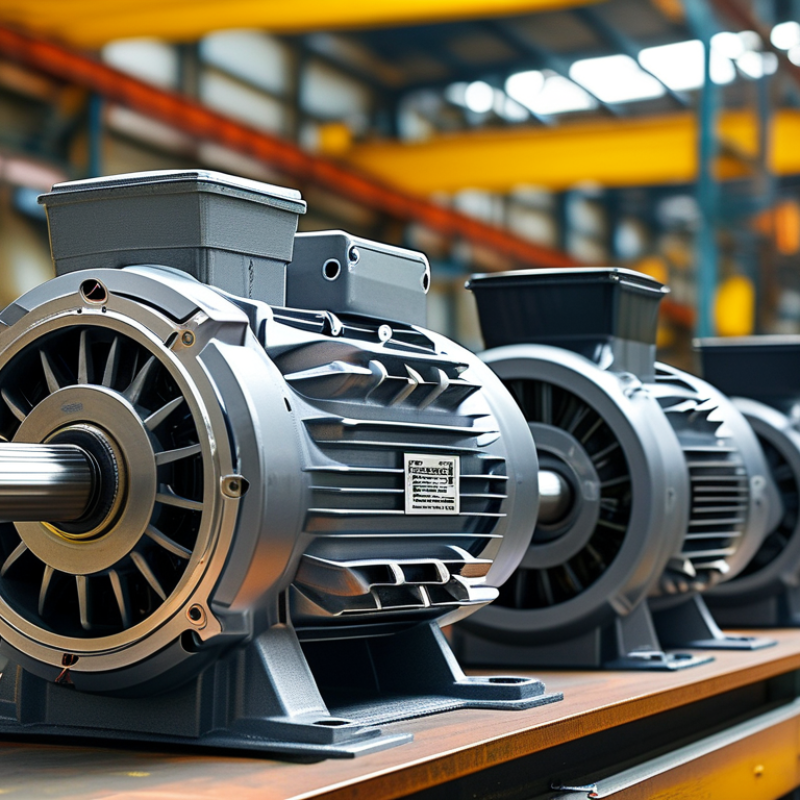
Understanding Variable Speed Motors: An Overview
Variable speed motors play a crucial role in modern industrial applications. These motors adjust their speed according to the requirements of the task at hand. Such flexibility leads to increased efficiency. For instance, in conveyor systems, variable speed motors can optimize the flow of materials. This capability reduces waste and promotes smoother operations.
In addition to efficiency, variable speed motors enhance process control. By fine-tuning speeds, industries can achieve higher precision. This is particularly beneficial in sectors like manufacturing and CNC machining. However, it's essential to consider that implementing these motors requires proper integration and calibration. Mistakes in setup may lead to system inefficiencies.
Despite the advantages, some challenges exist. Maintenance and troubleshooting can be complex due to the technology involved. Operators need adequate training to manage variable speed drives effectively. As industries transition towards automation, focusing on operator education becomes vital. Balancing technology with human expertise may pose a challenge, but the benefits often outweigh the hurdles.
Key Advantages of Variable Speed Motors in Industrial Applications
Variable speed motors are transforming industrial applications. These motors allow for precise control of speed and torque.
This adaptability leads to increased efficiency. In many cases, they enhance productivity. When processes can be fine-tuned, downtime decreases.
This means less energy is wasted.
Energy savings are a major advantage. With fixed-speed motors, operations often run at constant speeds, regardless of demand.
This can lead to excessive energy consumption. In contrast, variable speed motors adjust to specific load requirements. This results in significant cost savings over time.
The reduced energy load also contributes to a lighter environmental footprint.
Moreover, variable speed motors provide smoother starts and stops. This reduces mechanical stress on components.
However, not all applications may benefit equally. In some scenarios, the initial investment could be higher. Companies must weigh the long-term savings against upfront costs.
Effective implementation requires careful planning and training. Balancing these factors helps ensure success in leveraging variable speed technology.
Energy Efficiency and Cost Savings from Variable Speed Motors
Variable speed motors have transformed industrial operations, particularly in energy efficiency. They enable precise control of motor speeds, which directly impacts energy consumption. By adjusting speeds based on the required load, these motors significantly reduce power wastage. An electric motor might run at full speed even when less power is needed. This inefficiency can lead to increased energy costs.
Cost savings can be substantial. Industries often see a reduction in their energy bills. In many cases, facilities report savings of 30% or more when switching to variable speed motors. Moreover, these motors contribute to a longer lifespan for connected equipment. Less wear and tear result from running at optimal speeds rather than constant full throttle. However, initial investments and installation complexities can pose challenges for some organizations.
The integration of variable speed motors can be daunting. Companies must assess their existing systems to determine compatibility. Training personnel on the new technology is also essential, as mismanagement can negate potential benefits. Transitioning to variable speed motors is a step towards sustainability, but it requires careful planning and execution to achieve the full spectrum of advantages.
Benefits of Variable Speed Motors in Industry
Variable speed motors offer substantial benefits in various industrial applications, including significant energy efficiencies and cost savings. The chart above illustrates the percentage of each benefit typically observed with their implementation.
Enhanced Control and Flexibility in Industrial Processes
Variable speed motors have transformed industrial processes by offering enhanced control and flexibility. By adjusting the speed to match specific operational needs, industries can optimize their energy consumption. This leads to significant cost savings over time. For example, in a manufacturing setting, production lines can run at varying speeds depending on demand. This adaptability helps prevent bottlenecks and reduces machine wear, contributing to longer equipment life.
Moreover, variable speed motors allow for precise control over machinery. Industries can finely tune equipment to operate efficiently, resulting in improved product quality. When speed can be adjusted in real-time, operators gain the ability to respond quickly to changes in production requirements. This capability can increase overall efficiency, but it also brings challenges such as the need for regular calibration and maintenance.
However, not every application benefits equally from variable speed technology. Some operations might experience diminishing returns, especially if initial investment costs are high. Users must carefully assess their unique needs and usage patterns before implementing these systems. Balancing the benefits of energy efficiency with potential maintenance concerns is crucial for achieving optimal performance in any industrial setting.
What Are the Benefits of Variable Speed Motors in Industry? - Enhanced Control and Flexibility in Industrial Processes
| Benefit |
Description |
Industry Applications |
Potential Savings (%) |
| Energy Efficiency |
Variable speed motors can adjust their speed according to load needs, reducing energy consumption. |
Manufacturing, HVAC |
15-30% |
| Reduced Mechanical Stress |
Smooth acceleration and deceleration minimize wear and tear on equipment. |
Conveyor systems, Pumps |
10-20% |
| Enhanced Process Control |
Allows precise control over motor speed and torque, facilitating better operational outcomes. |
Food processing, Textile manufacturing |
5-15% |
| Flexibility in Operations |
Can be programmed for various applications, enhancing adaptability. |
Water treatment, Robotics |
7-12% |
| Lower Noise Levels |
Variable speed motors operate more quietly at lower speeds, improving workplace conditions. |
Mining, Water distribution |
N/A |
Challenges and Considerations in Implementing Variable Speed Motors
Implementing variable speed motors in industrial settings presents distinct challenges that require careful consideration. One major challenge is the initial investment. While these motors can lead to long-term savings, the upfront costs may deter some businesses. Companies must assess their budget and potential ROI to make informed decisions.
Another challenge lies in the complexity of integration. Variable speed motors often demand advanced control systems. This can mean additional training for existing staff, as well as the need for new programming skills. It's crucial to ensure that maintenance teams are well-equipped to handle these advanced systems, or organizations risk equipment downtime.
Moreover, reliance on variable speed technology could pose risks. If not managed correctly, these motors can lead to inefficiencies in energy consumption. Monitoring systems must be implemented to track performance and energy use. By addressing these issues, companies can effectively leverage the benefits of variable speed motors while minimizing potential pitfalls.
Conclusion
Variable Speed Motors (VSM) have emerged as a vital component in industrial applications, offering a range of benefits that enhance operational efficiency. These motors provide precise control over speed and torque, which translates into improved flexibility for various industrial processes. By adjusting the motor speed to match the specific requirements of the application, industries can achieve greater energy efficiency and significant cost savings, particularly in systems that require varying levels of output.
In addition to energy savings, the implementation of Variable Speed Motors allows for smoother operation and reduced wear and tear on equipment, contributing to longer machinery lifespan. However, organizations must consider certain challenges, such as initial investment costs and the need for skilled personnel for maintenance and operation. Overall, the advantages of Variable Speed Motors greatly outweigh these considerations, making them a preferable choice for modern industrial settings focused on sustainability and efficiency.
 Noco tech Motor
