In the world of engineering, selecting the right component is crucial. When it comes to high torque applications, the choice of a high torque motor can make or break a project. Renowned expert, Dr. Emily Carter, once stated, "Choosing the right high torque motor is essential for efficiency and performance." This perspective highlights the importance of making informed decisions in motor selection.
High torque motors are designed to deliver significant force. They are vital in applications that require strong starting torque. Fields like robotics, automotive, and manufacturing heavily rely on these motors. The right motor can enhance productivity and ensure project success. However, not all high torque motors are created equal.
Understanding the specifications is key. Factors such as power rating, size, and efficiency must be considered. An unsuitable choice may lead to inefficiencies. Exploring different options is wise, as various needs call for specific solutions. Engineers often face challenges in aligning motor capabilities with project requirements, proving that knowledge is crucial in optimizing performance.
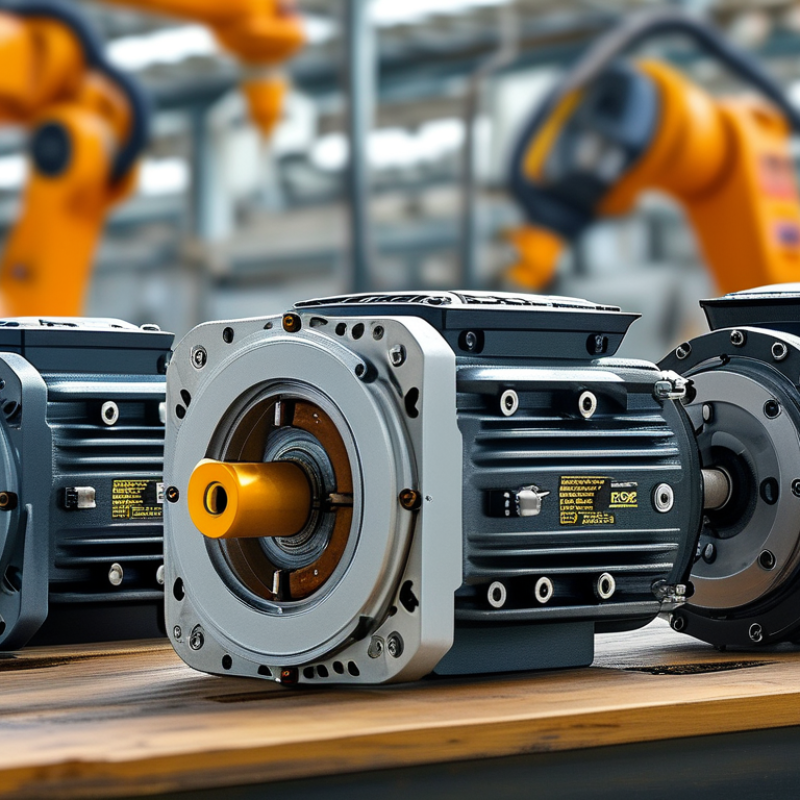
Understanding High Torque Motors and Their Applications
High torque motors are essential in many industries, including manufacturing and robotics. They provide the necessary force to move heavy loads efficiently. Understanding their applications is crucial for choosing the right motor. For example, in conveyor systems, high torque motors help move large items smoothly. This reduces wear and tear on the equipment.
Different applications require various torque levels. Construction machinery often needs very high torque for tasks like lifting and digging. On the other hand, some robotics applications require moderate torque that can handle precise movements. It's important to assess your needs carefully. An improperly chosen motor can lead to inefficiency or even equipment damage.
Many factors influence motor selection. These include load size, operating speeds, and environmental conditions. Sometimes, the best motor may not be the most powerful one. Balancing torque requirements with other performance characteristics is essential. It calls for a deep understanding of specific needs and features available in high torque motors. This can be a complex process, but it’s necessary for optimal performance.
Factors to Consider When Choosing a High Torque Motor
When selecting a high torque motor, several critical factors come into play. The first consideration is the application itself. High torque motors are used in various fields, from robotics to automotive engineering. Each application has unique demands. Understanding the workload, speed requirements, and environmental conditions is vital.
Motor specifications also significantly influence your choice. Look at factors like voltage, amperage, and efficiency ratings. These specifications often dictate performance levels. Additionally, consider the size and weight of the motor. A more compact motor may save space, but could sacrifice power. Balancing size and performance is often a challenging task.
Finally, assess the motor's durability and reliability. High torque motors operate under significant stress. Materials and construction quality affect lifespan. It's essential to choose a motor designed for robustness. However, keep in mind that no motor is perfect. Real-world testing is crucial to ensure it meets your specific requirements. Adjustments may be necessary after initial trials. Being open to learning and adapting is important for achieving optimal performance.
What is the Best High Torque Motor for Your Needs? - Factors to Consider When Choosing a High Torque Motor
| Motor Type |
Torque (Nm) |
Voltage (V) |
RPM |
Efficiency (%) |
Weight (kg) |
| DC Motor |
10 |
24 |
3000 |
85 |
2.5 |
| Stepper Motor |
25 |
48 |
1200 |
75 |
3.5 |
| Brushless Motor |
15 |
36 |
4000 |
90 |
2.0 |
| AC Motor |
30 |
220 |
1500 |
80 |
5.0 |
| Linear Motor |
50 |
230 |
1000 |
82 |
6.0 |
Comparing Different Types of High Torque Motors
When selecting a high torque motor, it's essential to consider the types available and their specific characteristics. The most common types include DC motors, stepper motors, and servo motors. Each type has unique advantages that cater to different applications. For example, DC motors offer simplicity and ease of control, making them ideal for low-cost applications. According to a 2020 market report, the global DC motor market is expected to grow at a CAGR of 6.5% from 2021 to 2026.
Stepper motors, on the other hand, excel in precision applications. They provide precise positioning capabilities. In fact, studies indicate that stepper motors can achieve positioning accuracy of approximately 0.1° in many scenarios. However, they can be less efficient under high load conditions, leading to potential overheating issues. This is crucial when considering long operational cycles.
Servo motors are favored in applications requiring higher torque and speed. They utilize feedback systems to ensure consistency and precision. They tend to have excellent performance characteristics, yet the complexity of their systems may lead to higher costs and maintenance requirements. While servo motors can deliver exceptional torque, users often face challenges with calibration and integration with existing systems, which may require additional modification. This variability in usability highlights the need to evaluate specific operational demands carefully.
Torque Comparison of Different Motor Types
Evaluating Performance Metrics for High Torque Motors
When selecting a high torque motor, assessing performance metrics is crucial. Torque rating indicates how much rotational force the motor can deliver. A motor with high torque capability can efficiently handle heavy loads. Performance can be measured in terms of RPM (revolutions per minute) and power consumption. According to industry data, motors delivering over 200 Nm of torque are often preferred in heavy-duty applications.
Efficiency is another vital metric. High torque motors that operate above 90% efficiency minimize energy waste. This is important for cost management and environmental impact. When evaluating motors, consider factors such as heat generation and operational lifespans. A motor may produce high torque but could overheat, leading to shortened service life.
Noise levels of high torque motors also require attention. Certain applications demand silent operation. Data from engineering reports indicate that motors generating noise levels below 70 dB are often suitable for indoor use. Additionally, the start-up torque is significant for applications that require immediate acceleration.
Reflecting on these metrics, businesses can make informed choices about their specific needs, ensuring both performance and sustainability are prioritized.
Applications and Industries Utilizing High Torque Motors
High torque motors are essential in many applications and industries. In manufacturing, they are used in conveyor systems to move heavy loads. These motors provide the necessary force to overcome inertia. In agriculture, high torque motors power equipment like tractors and harvesters. They ensure that these machines can operate efficiently under heavy stress.
The construction industry also benefits from high torque motors. They drive cranes, excavators, and other heavy machinery. This enables operators to lift and move substantial loads safely. Additionally, high torque motors are crucial in the automotive sector. They are used in electric vehicles to generate the needed power for acceleration.
While high torque motors are beneficial, selecting the right one is challenging. They come in different sizes and specifications. Users must consider the weight, speed, and duty cycle of their application. Often, misconceptions arise regarding the power needed for specific tasks. It’s important to analyze needs carefully to avoid inefficiencies. Utilizing an incorrect motor can lead to performance issues or even harmful equipment failures.
FAQS
: They are used in many industries, including manufacturing, robotics, and agriculture to move heavy loads.
They help move heavy items smoothly in conveyor systems, reducing wear and tear on equipment.
Common types include DC motors, stepper motors, and servo motors, each with unique advantages.
An improperly chosen motor may lead to inefficiency or even damage to the equipment you use.
Stepper motors excel at precise positioning, achieving accuracy of about 0.1° in many applications.
They can require complex calibration and modifications, leading to higher costs and maintenance needs.
Users must evaluate load size, speed, duty cycle, and environmental conditions for optimal performance.
Certain conditions can limit efficiency or cause overheating, especially in stepper motors under high loads.
Yes, many users misjudge the power required for tasks, which can lead to poor performance outcomes.
They power cranes and excavators, allowing operators to safely lift and move substantial loads with ease.
Conclusion
High torque motors are essential components in various applications, providing the necessary power for tasks that require significant force and precision. Understanding their functionalities and the wide range of applications they serve is crucial for selecting the right high torque motor for your needs. Key factors to consider include the motor's specifications, size, efficiency, and the specific demands of the intended application.
When comparing different types of high torque motors, it is important to evaluate performance metrics such as torque output, speed, and durability. Industries such as manufacturing, robotics, and automotive heavily rely on high torque motors for optimal performance. By identifying the unique requirements of your project or application, you can make an informed decision that maximizes efficiency and effectiveness with the appropriate high torque motor.
 Noco tech Motor
