Noco tech Motor
In today's competitive landscape, choosing the right Servo Motor is crucial for businesses engaged in global sourcing. These motors drive efficiency and precision in various applications. However, not all Servo Motors are created equal. Some may offer high torque and speed, while others focus on energy efficiency and reliability.
Understanding your specific needs is essential. Factors such as load requirements and operating conditions play a significant role. Sourcing the right Servo Motor can significantly impact your project's success. However, many companies often overlook detailed specifications. This oversight can lead to suboptimal performance and increased costs.
In the realm of global sourcing, reputable suppliers must be identified. It's important to assess the quality and support they offer. A trustworthy supplier will provide products that meet industry standards. Engaging with experts in the field can help in making informed decisions. Yet, challenges persist; navigating international regulations and differing standards can complicate the procurement process.
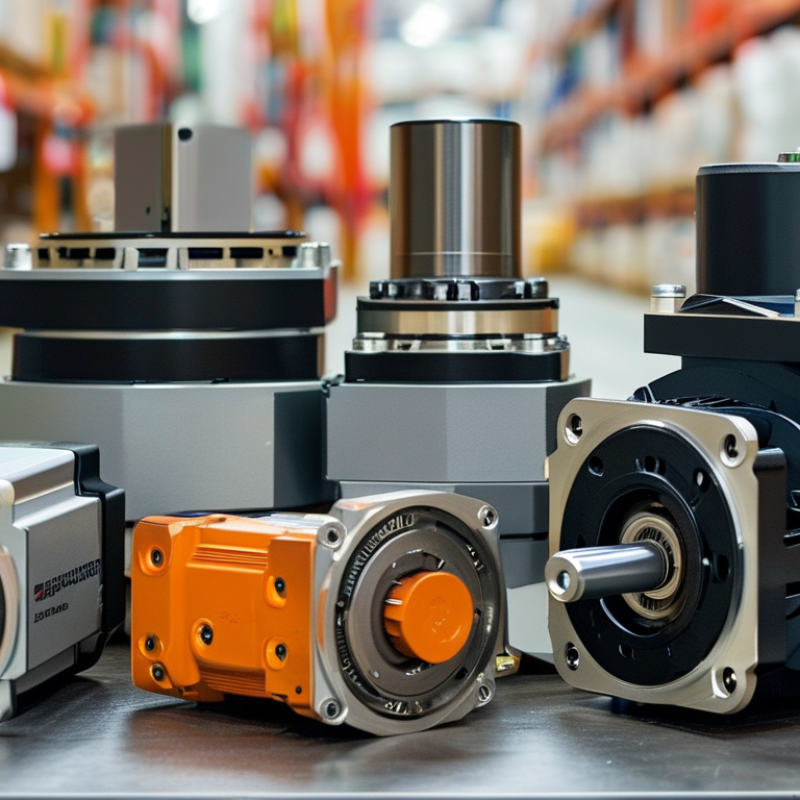
Servo motors play a critical role in modern automation. They are essential in various applications, from robotics to CNC machinery. Understanding the types of servo motors can help you make better sourcing decisions. The main types are DC servo motors, AC servo motors, and stepper motors. Each type has unique characteristics that suit different tasks.
DC servo motors offer precise control over speed and position. They are commonly used in robotics and conveyor belts. On the other hand, AC servo motors deliver higher power and efficiency. This makes them ideal for heavy-duty applications like industrial machinery. Stepper motors provide precise movement in small steps, perfect for 3D printers and cameras.
However, selecting the right servo motor isn't always straightforward. Factors like load requirements and environmental conditions influence the decision. Additionally, ongoing advancements in technology may render some options outdated. It’s essential to assess specifications carefully. Often, users overlook compatibility with existing systems. Balancing between performance and cost is an ongoing challenge.
Choosing the right servo motor is crucial for global sourcing. There are several key factors to consider. One of the most important is application requirements. Understanding the specific needs of your project helps narrow down options. For instance, consider the torque and speed needed for optimal performance.
Another factor is compatibility with existing systems. This includes understanding communication protocols. If a servo motor cannot integrate smoothly, it can lead to delays. Don’t overlook the importance of reliability. Assessing a motor's lifespan and performance under various conditions is essential.
Cost-effectiveness also plays a significant role. While lower prices are attractive, they may not ensure quality. It's vital to balance cost with performance. Sometimes, investing more upfront can save money in the long run. Lastly, consider vendor support. Reliable vendors provide necessary resources and guidance.
When it comes to reliable servo motors, several top brands offer exceptional quality. These brands have a reputation for delivering performance and durability. Each brand may have unique features that cater to various applications. Whether you need precision control or high torque, these options are worth exploring.
Choosing the right servo motor can seem overwhelming. There is a wide variety of specifications and functionalities. Understanding your application is crucial. For instance, some motors excel under constant load, while others provide better performance on dynamic tasks. Spending time on research can save future headaches.
It's essential to consider factors like power ratings and compatibility with your existing systems. Some brands may promise extensive features that don't always translate to real-world efficiency. Be wary of marketing jargon. Real-world testing often reveals the truth about performance. Engaging with professional networks can provide insights and experiences that guide your decision-making.
| Motor Type | Torque (Nm) | Voltage (V) | RPM | Control Method | Environmental Rating |
|---|---|---|---|---|---|
| AC Servo Motor | 1.2 | 220 | 3000 | Closed Loop | IP65 |
| DC Servo Motor | 0.8 | 24 | 4000 | Open Loop | IP54 |
| Stepper Motor | 0.5 | 12 | 1200 | Open Loop | No Rating |
| Brushless DC Motor | 1.0 | 48 | 5000 | Closed Loop | IP67 |
When sourcing servo motors globally, cost is a crucial factor. Recent industry reports suggest that servo motor prices can vary significantly based on technology and application. For example, high-quality AC servo motors may cost anywhere from $1,500 to $4,000 per unit, depending on specifications. In contrast, basic DC servo motors can range from $300 to $800. This disparity highlights the importance of selecting the right technology based on project needs.
Additionally, hidden costs must be considered. Freight charges, import duties, and taxes can add up quickly. A report by the International Trade Administration indicated that about 10-15% of the total price could be attributed to these additional expenses. It is vital to conduct a thorough cost analysis before making decisions. Otherwise, businesses risk underestimating their budget requirements.
Furthermore, supply chain fluctuations can impact prices. Disruptions in manufacturing due to geopolitical tensions or pandemics can cause delays and increase costs unexpectedly. Companies must stay informed about market trends and maintain flexibility in their sourcing strategies. This approach helps to mitigate risks and ensure that sourcing decisions align with budget constraints.
The landscape of servo motor technology is evolving rapidly. Advances in materials and design are leading to more efficient motors. Manufacturers are focusing on reducing weight while increasing performance. This is crucial for applications in robotics and automation. The integration of AI and machine learning is also transforming how these motors operate.
Sourcing servo motors now involves more than just cost considerations. Companies seek reliable suppliers who understand global standards. The push for sustainability means many manufacturers are adopting eco-friendly practices. This trend may lead to less efficient prototypes, necessitating careful analysis during sourcing. Challenges like lead times and fluctuating materials prices remain valid concerns.
Emerging trends indicate a move towards smart servo motors with advanced feedback systems. These features enhance control and precision. However, some technology can prove complex and require further training for engineers. It’s essential for businesses to weigh the pros and cons before making decisions. Maintaining a balance between innovation and practicality is key.
: Focus on application requirements like torque and speed. Compatibility with existing systems is also crucial.
Reliability affects lifespan and performance. Assess how the motor operates under different conditions.
Lower prices may seem appealing, but often don't guarantee quality. Balance cost with performance.
Reliable vendors offer resources and guidance that can simplify decision-making. Their support is invaluable.
Thoroughly research and understand your application. This helps narrow down the right options available.
No, each brand has unique features and may not perform the same in real applications.
Marketing language can be misleading. Real-world testing often reveals the truth about a motor's performance.
Interacting with professionals can provide insights and experiences that help refine your choices.
Specific needs dictate whether you require precision control or high torque for optimal performance.
Sometimes, yes. Higher upfront costs can lead to savings through enhanced performance and reliability.
This article examines essential aspects of servo motors, highlighting their types and applications across various industries. It discusses key factors for selecting servo motors for global sourcing, emphasizing the importance of compatibility, performance, and supplier reliability. The piece also outlines considerations regarding costs that businesses must evaluate when sourcing these vital components internationally.
Furthermore, the article delves into future trends in servo motor technology, including advancements that enhance efficiency and connectivity. Understanding these elements can aid companies in making informed decisions that align with their global sourcing needs while ensuring they capitalize on the growing capabilities in servo motor technology.
