Noco tech Motor Noco tech Motor

China Best Belt Drive Manufacturers and Suppliers?

Time:2026-09-13 Author:Ethan
0%

Choosing reliable China Belt Drive manufacturers and suppliers requires more than comparing catalog prices. A dependable partner should understand power transmission, material behavior, and real operating conditions. Rubber belts, pulleys, tensioners, and timing components must work together accurately. Small errors can create vibration, noise, heat, and early failure.

This guide examines manufacturers through practical details. It considers production experience, engineering capability, quality systems, and export support. Factory audits, sample testing, and traceable inspection records can reveal more than polished websites. Look for clear information about tensile strength, dimensional tolerances, rubber compounds, pulley balance, and temperature resistance. ISO 9001 certification may support confidence, but it should not replace independent verification. Good documentation matters.

Applications also shape the right choice. A conveyor in a dusty workshop needs different protection from an automated packaging line. Food-processing equipment may require special materials and cleaning compatibility. Automotive, agricultural, and industrial machines each demand careful matching. Ask about custom profiles, minimum order quantities, lead times, spare parts, and warranty procedures. Details matter.

No supplier is perfect. A low quotation can hide weak testing or inconsistent materials. Even experienced buyers sometimes overlook alignment and installation conditions. That is why supplier selection should remain evidence-based and practical. By comparing technical data, factory capabilities, customer feedback, and after-sales communication, buyers can identify trustworthy Chinese partners. The best Belt Drive supplier is not always the largest one. It is the company that delivers stable performance, honest communication, and measurable quality.
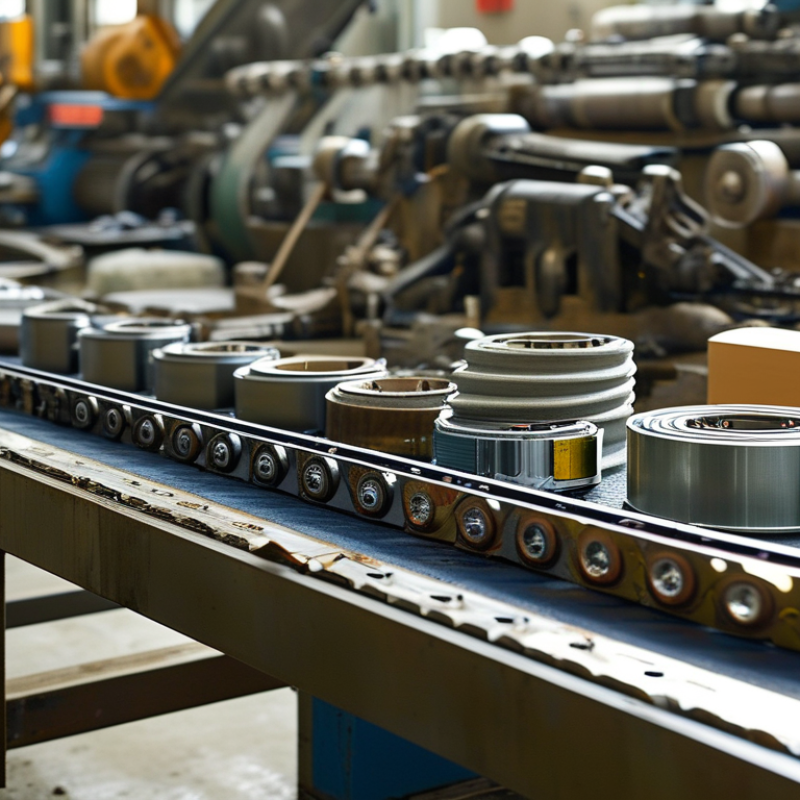
China Best Belt Drive Manufacturers and Suppliers?

What Belt Drives Are and How They Work

China Best Belt Drive Manufacturers and Suppliers?

A belt drive transfers rotary motion between shafts using a flexible belt and pulleys. The driving pulley receives power from a motor. Friction then pulls the belt around the driven pulley, producing rotation. Simple, but not effortless.

The pulley diameters control speed and torque. A smaller driving pulley paired with a larger driven pulley lowers output speed and increases available torque. A toothed belt uses matching teeth instead of relying mainly on friction. This design reduces slip and keeps shaft timing more consistent. V-belts, flat belts, and synchronous belts suit different loads, temperatures, and operating conditions.

Correct tension matters. Too little tension can cause slipping, heat, and belt noise. Too much tension may overload bearings and shorten service life. Alignment matters just as much. Even a small offset can make the belt walk sideways and wear unevenly. During maintenance, inspect cracks, glazing, missing teeth, and dust near the guards. Check pulley grooves and measure tension with the recommended tool.

The basic explanation has limits. Real systems also face vibration, humidity, shock loads, and changing temperatures. A belt may appear healthy but still have lost its designed elasticity. That is easy to miss. Selecting a drive requires checking power, center distance, speed ratio, duty cycle, and surrounding conditions. Guards should remain installed during operation, and replacement parts should match the equipment specifications. A quiet drive is not always a healthy drive.

China’s Main Types of Belt Drive Manufacturers

China’s belt drive industry includes several manufacturer types, each serving a different engineering need. Standard V-belt manufacturers produce wrapped and raw-edge belts for pumps, fans, compressors, and general machinery. Timing belt manufacturers focus on synchronized motion, using toothed profiles for packaging equipment, robotics, and precision conveyors. Their process usually emphasizes tooth accuracy, tensile cords, and resistance to oil or heat.

Industrial conveyor belt manufacturers serve mining, logistics, food processing, and bulk-material systems. They may offer rubber, PVC, PU, or cleated designs, with attention to splice strength and surface grip. Custom manufacturers build pulleys, sleeves, belts, and complete drive assemblies from drawings or samples. Some suppliers are factories; others are trading and technical service companies. This difference affects lead times, quality control, and after-sales support. In practice, a low price can hide limited testing. I have seen specifications look complete while pulley alignment details were missing. That deserves a second review.

Tips: Ask for material data, dimensional reports, test records, and production photos. Request a sample before placing a large order. Check tooth profile, belt tension, pulley matching, and operating temperature. Confirm traceability for each batch. A factory audit can reveal more than a polished catalog. Also, leave room for technical changes; the first design is not always the best one.

How to Evaluate Chinese Belt Drive Suppliers

China offers a large pool of belt drive manufacturers, but supplier evaluation requires more than comparing prices. The U.S. Department of Energy’s Motor and Drive Systems Sourcebook places many belt drive systems near 95–98% efficiency when correctly selected and maintained. Ask suppliers for measured efficiency, torque, speed, temperature, and service-life data. A clear test report should identify the belt material, pulley dimensions, load conditions, and testing date.

Visit the factory virtually or in person. Check rubber mixing, cord treatment, molding, balancing, and final inspection records. ISO 4184 provides useful dimensional references for classical V-belts, while ISO 1813 addresses antistatic belt properties. Request certificates with traceable laboratory details, not scanned documents without test numbers. Inspect ten random samples. Measure width, tooth profile, hardness, and runout.

A polished brochure proves little. I once focused too heavily on unit price; replacement downtime cost more. Ask for a pilot order and test it under real operating conditions. The U.S. Department of Energy also notes that poor tension and alignment reduce transmission performance, so evaluate the supplier’s installation guidance and technical support. Check how quickly they answer a difficult question. Slow replies can signal weak engineering support. Compare warranty terms, batch consistency, packaging, and corrective-action procedures. Do not accept “premium quality” without measurable limits. Performance data is often incomplete, and that deserves skepticism.

Key Products and Industries Served by Belt Drive Companies

China’s belt drive manufacturers and suppliers produce timing belts, V-belts, ribbed belts, conveyor belts, pulleys, and complete transmission assemblies. Timing belts support accurate motion in packaging machines, robots, printing equipment, and CNC systems. V-belts remain practical for pumps, compressors, fans, and agricultural machinery. Conveyor belts move cartons, luggage, food products, and bulk materials across factories and warehouses.

Industrial buyers should check more than price. Belt compound, tensile strength, temperature range, tooth profile, pulley alignment, and replacement availability directly affect service life. In field inspections, I have found that a clean-looking installation can still hide excessive tension. That mistake increases bearing loads and heat. Supplier documentation should include test data, dimensional tolerances, material details, and quality-control procedures. Certifications help, but they do not replace application testing.

Tips: Match the belt to the load, speed, environment, and duty cycle. Ask for samples before large orders. Measure noise and vibration after installation. Keep spare belts sealed and away from sunlight. This is often overlooked. Review maintenance records regularly, because belt failure may come from poor alignment rather than weak material. Textile production, logistics, mining, agriculture, automotive assembly, and renewable-energy equipment each require different belt designs. A supplier with engineering support can recommend suitable profiles, yet buyers should verify those recommendations under real operating conditions.

Sourcing, Quality Control, and Export Considerations in China

Sourcing the best belt drive supplier in China requires more than comparing unit prices. Fortune Business Insights estimated the global power transmission belt market at USD 5.61 billion in 2023. It projects USD 8.73 billion by 2032, with a 5.1% CAGR.
This growth attracts capable factories, but process control remains uneven. Small details matter.

Request production records for rubber or polyurethane batches, fabric grades, mold maintenance, and dimensional inspections. Check tooth profile, pitch tolerance, tensile strength, elongation, hardness, and oil resistance. Test methods should align with standards such as ISO 37 and ISO 34-1. A certificate is evidence, not proof. Before approval, inspect samples from different production lots, not only showroom pieces. A clean audit can still miss poor bonding or inconsistent curing.

Export control needs equal attention. Confirm HS classification with a qualified customs broker, then review Incoterms 2020, packing methods, certificate-of-origin requirements, and pre-shipment inspection terms. Moisture-resistant wrapping and rigid cartons can prevent crushed edges during ocean transport. Ask for batch numbers on cartons and matching test reports. According to the World Bank’s Logistics Performance Index 2023, shipment reliability remains a major international trade concern, so realistic lead times matter. Some suppliers promise fast delivery too easily. Add buffer days for mold changes, rework, and port delays. That gap matters.

FAQS

What is a belt drive, and how does it transfer motion?

A belt drive transfers rotary motion between shafts using a flexible belt and pulleys. A motor turns the driving pulley. Friction pulls the belt around the driven pulley. Simple, but not effortless.

How do pulley sizes affect speed and torque?

A smaller driving pulley and larger driven pulley reduce output speed. They increase available torque. Pulley ratios must match the machine’s workload.

What is the difference between toothed belts and friction belts?

Toothed belts use matching teeth for more consistent timing. V-belts and flat belts mainly depend on friction. Toothed designs usually reduce slipping.

How can incorrect belt tension damage equipment?

Low tension may cause slipping, heat, and squealing noise. Excessive tension can overload bearings. It may shorten the drive’s service life.

Why does pulley alignment matter during installation?

Misaligned pulleys can make the belt move sideways. Uneven wear may appear along one edge. Even a small offset matters.

What should maintenance workers inspect on a belt drive?

Check for cracks, glazing, missing teeth, dust, and unusual noise. Inspect pulley grooves and measure tension with the recommended tool. Look behind the guard carefully.

How should buyers evaluate a belt drive supplier?

Review material details, tensile strength, dimensional tolerances, test data, and quality procedures. Request samples from several production lots. A certificate helps, but it is not proof.

What export details should international buyers confirm?

Confirm the product classification with a qualified customs broker. Review trade terms, packing, origin documents, and inspection requirements. Use moisture-resistant wrapping and rigid cartons. Add buffer days for port delays and rework.

How should spare belts be stored?

Keep spare belts sealed, dry, and away from direct sunlight. Avoid crushing or sharply bending them. This is often overlooked.

Is a quiet belt drive always operating correctly?

No. A quiet drive may still have hidden tension loss or aging elasticity. Inspect it regularly. I might miss early wear without vibration measurements.

Conclusion

This guide explains what a Belt Drive is, how it transfers power through belts and pulleys, and why it remains widely used in machinery, transportation equipment, agricultural systems, and industrial automation. It introduces China’s main categories of belt drive manufacturers, including producers of standard belts, pulleys, complete transmission systems, and customized components. Understanding these categories can help buyers match technical requirements with the right type of supplier.

The article also outlines practical methods for evaluating Chinese belt drive suppliers, such as reviewing production capabilities, material selection, engineering support, testing procedures, certifications, and quality control systems. It discusses common products and industries served, along with important considerations for sourcing, communication, packaging, lead times, logistics, and export documentation. By taking a structured approach to supplier assessment and product inspection, international buyers can improve purchasing efficiency, reduce quality risks, and build more reliable long-term supply relationships.

Ethan

Ethan

Ethan is a seasoned marketing professional with a deep expertise in our company's innovative product line. With a passion for sharing knowledge and insights, he takes the lead in regularly updating our corporate blog, where he explores industry trends, product features, and effective marketing......