Noco tech Motor
Choosing the right DC Planetary Gear Motor is crucial for the success of any project. According to Dr. Marcus Lee, an industry expert with over 15 years of experience, “Selecting the correct gear motor can make or break your system's efficiency.” His insight emphasizes the importance of understanding your specific needs before making a choice.
A DC Planetary Gear Motor can offer high torque and compact design. However, not all motors are created equal. Factors like load requirements, speed, and efficiency matter greatly. Consider the application carefully to avoid common pitfalls. A mismatch may lead to underperformance or failure.
Selecting the right motor requires careful evaluation of specifications and compatibility. A wrong choice may lead to frustration and additional costs. Conducting thorough research and consulting with professionals can help clarify your options. Ultimately, the right DC Planetary Gear Motor can enhance reliability and performance in your project.
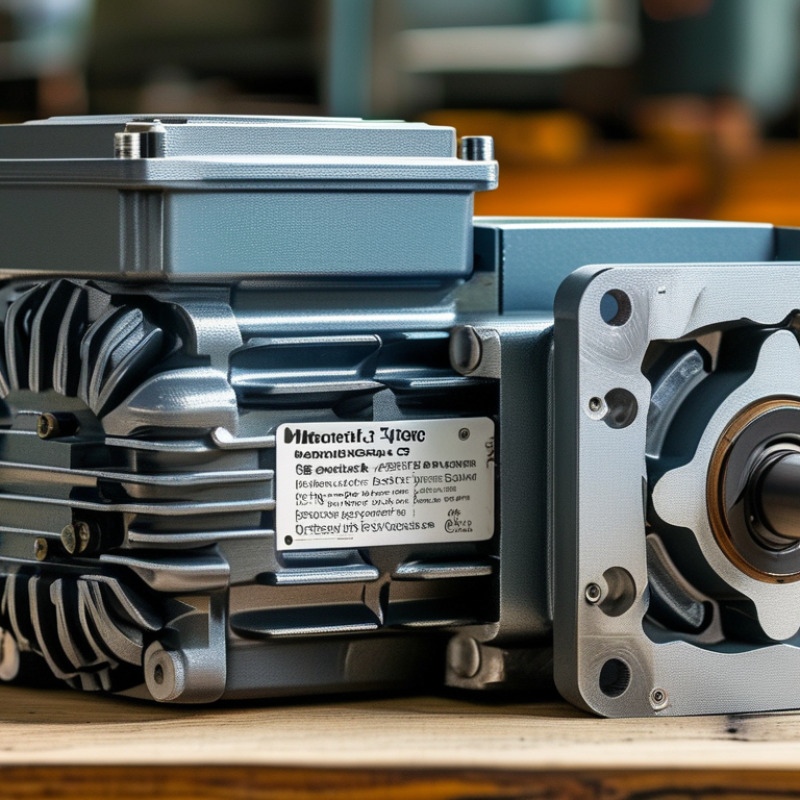
DC planetary gear motors are essential in many applications. They are known for their efficiency and compact design. These motors combine a direct current (DC) motor with a gearbox. The gearbox provides higher torque and better speed control. Their ability to adapt to various tasks is crucial for engineers.
Understanding their construction is vital. The planetary gear system consists of a sun gear, planet gears, and a ring gear. This arrangement allows for torque multiplication. Data shows that planetary gear systems can achieve efficiency rates above 90%. They also offer high durability, which is essential in demanding environments.
Selecting the right gear motor requires consideration of specific project needs. Factors include load requirements, speed, and dimensions. A project with high load demands may require a more robust motor. Additionally, the size constraints of your design can limit options. Engineers often need to balance performance with available space. Not every motor will perform optimally in all applications. Testing and analysis are recommended for best results.
This bar chart compares the power and torque ratings of different DC planetary gear motors commonly used in various projects. Motor specifications vary significantly, and understanding these parameters is essential for selecting the right motor for your application.
Choosing the right DC planetary gear motor is a vital step in any engineering project. Several critical factors should guide your selection. The motor's torque and speed ratings play a significant role. Industry standards indicate that the optimal speed range for most applications is between 1,000 and 5,000 RPM. This range ensures efficient performance while minimizing wear and heat generation.
Another essential consideration is the gear ratio. A higher ratio translates to increased torque but can limit speed. Research shows that a 20:1 ratio typically suits robotics and automation tasks. However, this may not be ideal for applications requiring rapid rotation. Your project's specific needs will determine the best trade-off between speed and torque. It’s crucial to evaluate these metrics accurately.
Size and weight also warrant attention. A compact design can be advantageous in tight spaces, as reported by various engineering surveys. Many projects demand lightweight solutions without compromising performance. Moreover, assessing the environment where the motor will operate is necessary. Factors like temperature and humidity can affect motor efficiency. A2 report indicates that moisture can decrease reliability in many applications. Moderation in gear motor specifications can lead to better performance and durability, prompting further analysis and adjustments based on real-time testing.
| Key Factor | Description | Example Values |
|---|---|---|
| Torque | The rotational force output of the motor. | 0.5 Nm - 20 Nm |
| Speed | The rotational speed of the motor measured in RPM. | 50 RPM - 8000 RPM |
| Voltage | The voltage level required for the motor operation. | 6V - 48V |
| Gear Ratio | The ratio of the input speed to the output speed. | 5:1 - 100:1 |
| Duty Cycle | The ratio of ON time to OFF time in cycles. | 30% - 100% |
| Motor Size | Physical dimensions of the motor. | 22mm x 40mm - 60mm x 90mm |
| Weight | The weight of the motor which can affect the application design. | 50g - 500g |
When evaluating torque and speed specifications for a DC planetary gear motor, several key factors come into play. Torque represents the rotational force your motor can produce. It’s essential to match this with the requirements of your project. For instance, if you need to lift a heavy load, opt for a motor with higher torque. This ensures efficiency and reliability in your application. However, calculating the precise torque needed can be tricky. Take time to analyze the load and any potential friction in your system.
Speed is another crucial aspect. Different applications need different speeds. Some require rapid movement while others prioritize precision. It’s vital to strike a balance between speed and torque. A motor with high speed may sacrifice torque, affecting performance. For example, if you're working on a conveyor system, the speed must be compatible with load requirements.
Always consider the overall application context when making these evaluations. An ideal motor may not exist; the right choice may involve compromises. Perhaps you need to experiment with different settings to find the balance that works. This trial and error can be frustrating. However, it’s often necessary to achieve the best results.
When selecting a DC planetary gear motor, size and weight are crucial factors. Often, projects have strict space constraints. The motor must fit the intended design without compromising its performance. Consider the dimensions of the installation area. Always measure twice to avoid mistakes that could lead to project delays.
Weight plays a significant role too. A heavier motor might affect the overall dynamics of your application. In robotics, for example, an overly bulky motor can hinder movement. It can lead to balance issues and control problems. So, lighter options might be more beneficial in these cases.
Finding the right balance between size, weight, and power is challenging. You may encounter setbacks in functionality. Not every motor that fits will provide the torque needed. Testing different configurations can be time-consuming but helps refine your choices. This trial and error process is essential for a successful project.
Selecting a DC planetary gear motor involves understanding motor efficiency and performance ratings. Efficiency indicates how well a motor converts electrical energy into mechanical energy. A higher efficiency rating often means less energy loss, which is critical for battery-operated applications.
Performance ratings provide insights into a motor's speed and torque capabilities. Assess your project’s requirements carefully. Will it need fast speed or high torque? Knowing this lets you pick the right model. Look for motors with specifications that match your needs.
Tips: Consider the load and environment when selecting your motor. Environmental factors can affect performance. Ensure proper cooling if the motor runs under heavy loads. Also, remember power ratings should align with the energy source available. Always verify ratings from reliable sources to avoid disappointing results. A small oversight in selecting the right motor can lead to project delays. You might benefit from prototyping with different motors before the final decision.
: Consider torque, speed ratings, gear ratio, size, and weight. Evaluate the specific needs of your project.
The optimal speed range is between 1,000 and 5,000 RPM. This range minimizes wear and heat generation.
A higher gear ratio increases torque but may limit speed. Balance is key for your application needs.
Size is crucial for fitting in tight spaces. It should not compromise motor performance or functionality.
A heavier motor can affect movement and balance, especially in robotics. Lighter options are often more effective.
Analyze load and friction carefully; trial and error may be necessary to find the right torque balance.
Temperature and humidity can affect efficiency. Moisture, for example, may decrease reliability in many cases.
It's often a compromise since the ideal motor may not exist. Be ready for adjustments based on real-time testing.
A bulky motor can hinder movement and cause control issues. Ensure it fits within the project's design constraints.
Different configurations help refine choices. This process can be frustrating but is essential for achieving the best results.
When selecting a DC Planetary Gear Motor for your project, it's crucial to understand the fundamentals of how these motors work. DC Planetary Gear Motors are known for their efficiency and compact design, making them suitable for a variety of applications. Key factors to consider include the specific project requirements, torque and speed specifications, as well as size and weight constraints.
Evaluating motor efficiency and performance ratings is also essential, as this will directly impact the overall functionality of your project. By carefully assessing these factors, you can choose the right DC Planetary Gear Motor that meets your needs and ensures optimal performance in your application.
