Noco tech Motor Noco tech Motor

How to Choose the Right Miniature Gear Motor for Your Project?

Time:2026-08-09 Author:Aria
0%

Selecting the right Miniature Gear Motor is crucial for achieving the desired performance and efficiency in your project. According to a recent report from MarketsandMarkets, the miniature motor market is expected to grow significantly, reaching $5.2 billion by 2025. This surge indicates a growing demand for precise automation solutions across various industries. Miniature gear motors play a vital role in applications ranging from robotics to consumer electronics.

When choosing a Miniature Gear Motor, consider factors such as torque, speed, and size. The motor's specifications should align with your project's requirements to avoid inefficiencies. Some projects may require high torque for lifting, while others may need fast rotational speeds. Selecting a motor that doesn’t fit well with your system can lead to operational failures or performance issues.

It's essential to understand the specs thoroughly. The right choice can enhance functionality and reduce costs in the long run. Skipping this crucial step can result in inadequate performance and unnecessary expenses. Explore options and gather data to make a confident decision. Ignoring these details can lead to setbacks. Always analyze your needs comprehensively before finalizing your Miniature Gear Motor selection.
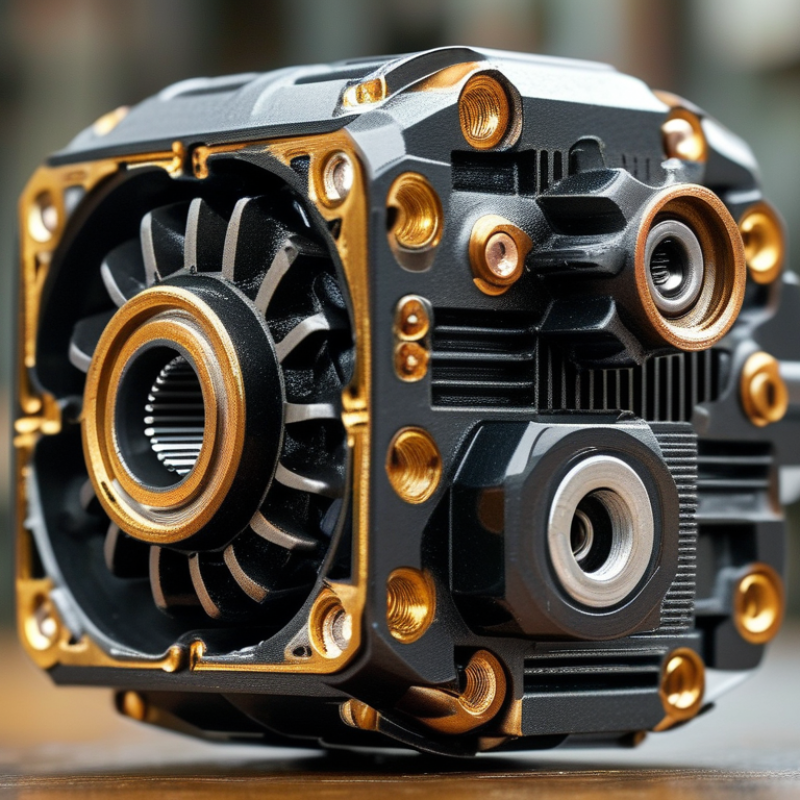
How to Choose the Right Miniature Gear Motor for Your Project?

Understanding the Basics of Miniature Gear Motors

Miniature gear motors are essential components in various applications, from robotics to consumer electronics. Understanding their basics is crucial for effective selection. A miniature gear motor consists of a motor coupled with a gearbox. This combination allows for increased torque while reducing speed. The gear ratio plays a vital role in determining these characteristics. According to industry reports, a gear ratio of 5:1 can double the torque, making it suitable for heavy load applications.

When choosing a miniature gear motor, consider the specific torque and speed requirements of your project. Many manufacturers offer specifications, but real-world testing often reveals discrepancies. A motor rated for 100 mNm might not perform as such under load. Pay attention to efficiency ratings, typically around 70-80%, to avoid overheating issues during operation.

Be mindful of size constraints in your design. The smallest miniature gear motors can measure as little as 20mm in diameter. However, this compacts design may come with trade-offs in heat dissipation and torque output. Test your motor selections under various conditions to identify limitations. Balancing size, speed, torque, and efficiency can be challenging but is crucial for a successful application.

Identifying Your Project Requirements for Motor Selection

When selecting a miniature gear motor, understanding your project requirements is crucial. Consider the dimensions of your space and the weight of the load you need to move. A compact design with high torque is necessary for tight areas. Reports indicate that about 70% of failures in motorized systems stem from improper torque calculations. Hence, ensure your selected motor can handle the application's specific demands.

Also, think about the speed you require. The optimal RPM (revolutions per minute) varies greatly across projects. For instance, robotics applications may need fast response times, while an automated closure may benefit from slower speeds for safety. Data shows that over 60% of motor selections are made without thorough speed analysis, leading to inefficient performance and potential project setbacks.

Environmental factors matter too. Motors may face humidity, dust, or extreme temperatures. Choosing a motor that suits these conditions can enhance reliability. It's common to overlook these factors, leading to failures that could have been avoided. Evaluating the duty cycle, or how often the motor runs, is another critical aspect. Frequent use demands motors designed for longer operating periods, potentially reducing maintenance needs. Such reflections can guide you in making the right choices.

Choosing the Right Miniature Gear Motor for Your Project

This bar chart illustrates the comparison of various key specifications to consider when selecting a miniature gear motor for different applications, such as torque, speed, and efficiency.

Comparing Types of Miniature Gear Motors Available

When choosing a miniature gear motor, it’s important to understand the various types available. You can find gear motors categorized mainly as brushed, brushless, and stepper types. Each category serves different applications. Brushed motors are simpler and usually cheaper, making them a common choice for basic projects. They can be quite efficient but may require more maintenance over time.

On the other hand, brushless gear motors are known for their longevity and performance. They run cooler and quieter than brushed motors. This makes them ideal for projects demanding high reliability. But, they can be more complex to control and may be costlier upfront.

Stepper gear motors bring a unique set of features, particularly in applications needing precise position control. They can oscillate between positions, which is perfect for robotics and automation. However, their power consumption and complexity can be limiting factors. As you consider your options, think practically about your project requirements and the trade-offs each type presents.

Evaluating Performance Specifications and Ratings

When selecting a miniature gear motor, performance specifications are crucial. Key metrics include torque, speed, and efficiency. Torque is measured in ounce-inches (oz-in). For example, motors providing 20 oz-in are suitable for light-duty applications. In contrast, heavy loads require motors near 50 oz-in.

Speed ratings are equally important. RPM (revolutions per minute) can vary significantly. A motor rated at 200 RPM delivers different performances compared to one at 1000 RPM. It's essential to assess how these speeds align with your project's demands.

Efficiency ratings, often given as a percentage, indicate how well a motor converts electrical energy to mechanical work. A motor with an efficiency of 80% is generally effective. However, many models fall short, with some barely reaching 60%. This discrepancy highlights the importance of carefully evaluating specifications. Data from industry reports suggest that projects may waste 15% energy due to inefficiencies in poorly chosen motors. Understanding these metrics will enhance your project's success.

How to Choose the Right Miniature Gear Motor for Your Project? - Evaluating Performance Specifications and Ratings

Specification Value 1 Value 2 Value 3
Voltage (V) 6 12 24
No-load Speed (RPM) 3000 6000 3000
Rated Torque (Nm) 0.5 0.75 1.2
Gear Ratio 1:30 1:50 1:10
Weight (g) 120 150 180
Efficiency (%) 70 80 75

Installation and Integration Considerations for Gear Motors

When integrating a miniature gear motor into your project, several installation considerations can greatly affect performance. First, ensure that the mounting surface is stable. A sturdy foundation minimizes vibrations that could lead to premature wear. Use proper alignment when installing the motor. Misalignment can result in increased load and overheating, potentially damaging the motor over time.

Another critical aspect is the power supply. Ensure the voltage and current requirements match your gear motor's specifications. An inadequate power source can hinder performance and reduce lifespan. Pay attention to wiring; poor connections may lead to interruptions or erratic operation. Monitor heat generation during initial tests. Excessive temperatures can indicate underlying issues that need correction.

Don't overlook environmental factors. If the gear motor will be used outdoors, consider weatherproofing solutions. Dust and moisture can significantly affect motor longevity and efficiency. Regular maintenance is also essential. Check for signs of wear regularly, especially if the motor runs frequently. The installation process is integral to the gear motor's success, and overlooking these details can compromise your entire project.

FAQS

: What are miniature gear motors?

: Miniature gear motors combine a motor and gearbox. They increase torque while reducing speed.

Why is gear ratio important?

Gear ratio affects torque and speed. For example, a 5:1 ratio can double torque for heavy loads.

How do I choose the right miniature gear motor?

Consider torque and speed needs. Real-world tests often reveal differences from manufacturer specs.

What efficiency should I expect from gear motors?

Typical efficiency ratings are around 70-80%. This helps prevent overheating during use.

How small can miniature gear motors be?

The smallest models can be 20mm wide. However, size affects heat dissipation and torque.

What installation tips improve motor performance?

Ensure a stable mounting surface and proper alignment. Misalignment leads to overheating and wear.

How does the power supply affect gear motor performance?

Match the voltage and current to the specifications. An inadequate supply shortens the motor's lifespan.

What environmental factors should I consider?

Outdoor use may require weatherproofing. Dust and moisture can impact efficiency and longevity.

What maintenance is necessary for gear motors?

Regular wear checks are vital, especially for frequent use. Overlooking this can lead to failures.

How can I prevent overheating issues?

Monitor heat generation during tests. Excessive temperatures often indicate installation or load issues.

Conclusion

When selecting the right Miniature Gear Motor for your project, it is essential to start by understanding the basics of these motors and their functioning. This knowledge helps in identifying specific project requirements, which play a crucial role in determining the appropriate motor type.

Next, it's important to compare the various types of Miniature Gear Motors available, taking into account performance specifications and ratings, such as torque, speed, and efficiency. Additionally, considering installation and integration aspects is vital to ensure that the motor fits well within your project's framework. By following these steps, you can effectively select a Miniature Gear Motor that meets your needs and enhances your project's success.

Aria

Aria

Aria is a dedicated marketing professional with a deep passion for innovative strategies and a keen understanding of our company's product offerings. With a wealth of experience in the industry, Aria excels at crafting engaging content that highlights the unique features and benefits of our......