Noco tech Motor Noco tech Motor

What is a DC Gear Motor and How Does It Work?

Time:2026-06-19 Author:Mason
0%

DC Gear Motors are essential components in various mechanical systems. They combine a direct current motor with a gear mechanism. This allows for higher torque output at lower speeds. Industry reports suggest that the global market for DC Gear Motors is expected to grow significantly. The growth is projected to rise to USD 2.1 billion by 2026, according to a report by Research and Markets.

The efficiency of DC Gear Motors makes them popular in robotics, automotive, and industrial applications. They are versatile and can handle various tasks, from precise movements to heavy lifting. A notable example is their use in automated manufacturing processes. The gear reduction in these motors ensures the motor can operate effectively, even under heavy loads. However, the selection of the correct motor type is critical. Many users overlook this detail, which can lead to performance issues and inefficiencies.

In the evolving landscape of technology, the demand for DC Gear Motors is evident. Manufacturers need to adapt to increasing automation trends. While these motors provide numerous advantages, understanding their limitations is equally important. Users should consider not only the performance but also the lifespan and maintenance needs.
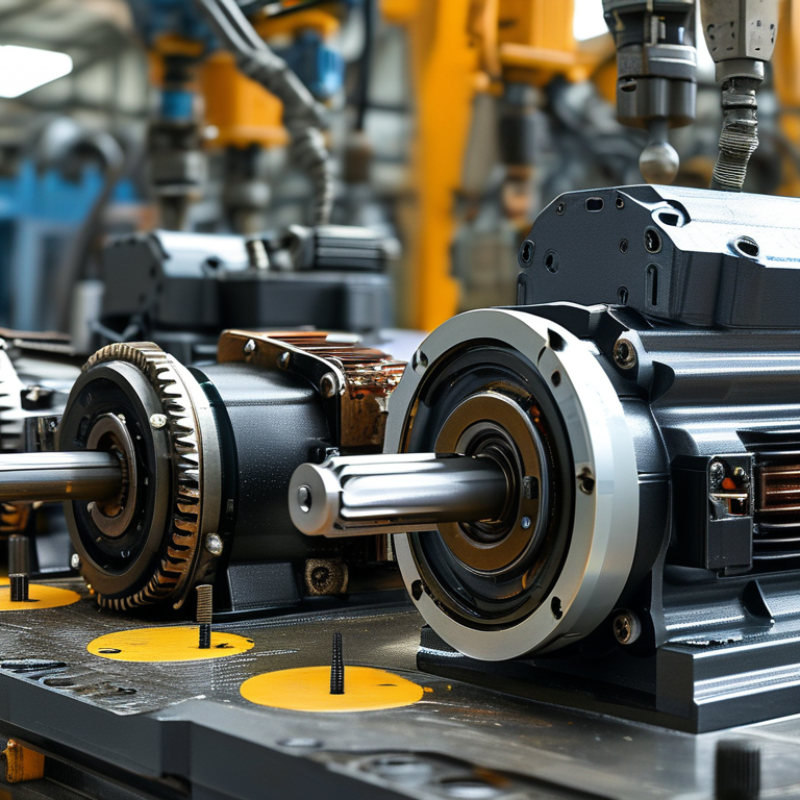
What is a DC Gear Motor and How Does It Work?

What is a DC Gear Motor?

A DC gear motor combines a direct current (DC) motor with a gearbox. This pairing converts high-speed rotation into lower-speed, high-torque output. According to industry reports, the market for DC gear motors was valued at approximately $3 billion in 2021 and is expected to grow significantly by 2027. This growth illustrates the motor's essential role across various applications, from robotics to automation systems.

The gearbox in a DC gear motor plays a crucial role. It enables this motor to adjust its torque and speed to meet specific needs. For example, a car window actuator may require moderate speed and high torque to function efficiently. However, the complexity of selecting the right gear ratio often leads to over-engineering. Engineers might opt for a higher torque than necessary, resulting in increased power consumption.

Designing with a DC gear motor can be challenging. Balancing speed, torque, and efficiency requires careful calculations. Studies show that poor gear selection can lead to overheating or reduced lifespan. Therefore, understanding the operational demands is critical. This is where experts in the field play a vital role, ensuring the motor meets performance expectations while also considering energy efficiency.

Components of a DC Gear Motor

A DC gear motor integrates a direct current (DC) motor with a gearbox. This combination enhances torque while reducing speed. The gearbox plays a vital role in this equation. It consists of gear sets that multiply the motor's output torque.

The main components include the motor, gears, and housing. The motor generates rotational motion. The gears modify this motion, creating the desired speed and torque. The housing protects these components while maintaining proper alignment. Gears can vary in size. Small changes can significantly impact performance.

Understanding these parts is essential for effective usage. An improperly aligned gear can cause inefficiencies. Overheating and noise may result from these issues. Each part must work harmoniously. This complexity adds to the intrigue of DC gear motors. Users must reflect on how every component affects overall performance.

What is a DC Gear Motor and How Does It Work? - Components of a DC Gear Motor

Component Description Function
DC Motor An electromechanical device that converts direct current electrical energy into mechanical energy. Provides the initial rotational movement.
Gear Train A set of gears that are used to increase torque or reduce speed from the motor. Transfers rotational motion while altering speed and torque output.
Output Shaft The part of the motor where the output power is delivered. Outputs the mechanical power to the load.
Housing The outer casing that protects internal components. Provides structural integrity and protects components from damage.
Brushes Conductive materials that transfer electrical current to the rotor. Facilitates the movement of the motor by enabling the rotor to spin.
Commutator A rotating switch that reverses current direction in the motor windings. Ensures continuous rotation of the motor.

How DC Gear Motors Convert Electrical Energy to Mechanical Power

DC gear motors are integral in various applications. They adeptly convert electrical energy into mechanical power through a series of components: the DC motor and the gear train. The motor generates rotational motion, while the gear system amplifies torque and reduces speed. According to industry reports, these motors can achieve torque improvements of up to 100 times compared to non-geared counterparts. This capability proves essential in robotics and automation.

The conversion process begins with electrical input. When current flows, the motor's rotor spins, creating motion. As this rotates, gears modify the speed and torque, adapting the output for specific tasks. The gear reduction also increases the efficiency of energy transfer. Studies show that well-designed gear motors can achieve efficiencies exceeding 90%. This efficiency is vital for many devices, from small appliances to large industrial machines.

However, understanding gear ratios can be complex. Users often overlook how minor changes in gear teeth can significantly impact performance. For example, using a higher gear ratio can lead to slower speeds but greater torque. This trade-off requires careful consideration. Evaluating the application helps in selecting the right gear motor for optimal performance. Addressing these nuances allows designers to make informed decisions while facing challenges in motor selection.

DC Gear Motor Performance Comparison

This chart illustrates the specifications of a typical DC gear motor, including its voltage, current, torque, and speed. The values help in understanding the operational capabilities of the motor in converting electrical energy into mechanical power.

Applications of DC Gear Motors in Various Industries

DC gear motors play a vital role in various industries. In manufacturing, they drive conveyor belts and automated machinery. This allows for efficient operations and consistent product output. The compact design of DC gear motors enables easy integration into production lines.

In the automotive sector, these motors are used in electric windows and seat adjustments. The precise control they provide enhances user experience. However, the power consumption can be a concern. Balancing efficiency with performance is crucial.

In the robotics field, DC gear motors power robotic arms and drones. Their ability to deliver high torque at low speeds is essential for delicate tasks. Yet, depending solely on these motors may limit design flexibility. Exploring alternative motor options can lead to innovative solutions.

Advantages of Using DC Gear Motors Over Standard Motors

DC gear motors are increasingly popular in various applications due to their unique advantages over standard motors. One key benefit is their ability to provide high torque at low speeds. This is particularly useful in robotics and automotive applications, where precision is essential. The gear reduction within the motor amplifies the torque output. As a result, devices can operate efficiently even under heavy loads.

Another significant advantage is the improved control over speed and motion. DC gear motors allow for smooth acceleration and deceleration. This is critical when fine-tuning a machine's performance. Users can adjust the speed easily for different tasks. However, tuning these motors can be tricky. Finding the perfect balance between speed and torque may require multiple trials.

The compact design of DC gear motors also lends itself to space-constrained applications. They fit easily into tight spots without sacrificing functionality. This can be invaluable in design projects where space is at a premium. Nevertheless, engineers must consider the motor's weight and its mounting requirements. Ensuring stability while maintaining compactness can present challenges.

FAQS

: What are the main components of a DC gear motor?

: A DC gear motor consists of a motor, gears, and housing. Each part plays a critical role in performance.

How does a gearbox enhance the function of a DC motor?

The gearbox multiplies the motor's output torque while reducing speed. It ensures efficient operation and better control.

Why is alignment important in a DC gear motor?

Improper alignment can lead to inefficiencies. It may cause overheating and increased noise, affecting performance.

In what industries are DC gear motors commonly used?

They are used in manufacturing, automotive, and robotics. Each application benefits from their unique features and capabilities.

What is a concern regarding power consumption in DC gear motors?

Power consumption can be high, particularly in automotive applications. Finding a balance between efficiency and performance is essential.

How do DC gear motors contribute to robotic applications?

They provide high torque at low speeds, necessary for precision tasks. However, reliance on them can sometimes restrict design flexibility.

Conclusion

A DC Gear Motor is an electromechanical device that combines a direct current (DC) motor with a gear reducer to achieve a lower speed and higher torque output. The primary components of a DC Gear Motor include the motor itself, gears, and a casing, which work together to efficiently convert electrical energy into mechanical power. This conversion is accomplished through the rotation of the motor's armature, which is then translated to the output shaft via the gearing mechanism.

DC Gear Motors are widely utilized in various industries, from robotics and automation to automotive applications, due to their ability to deliver precise control and reliable performance. Their advantages over standard motors include compact design, enhanced torque, and the capacity to operate at lower speeds without sacrificing power. As a result, DC Gear Motors play a crucial role in applications requiring efficient and controllable motion.

Mason

Mason

Mason is a seasoned marketing professional with a deep expertise in the company's offerings and a passion for driving brand awareness. With a strong background in digital marketing strategies, he has an innate ability to connect with diverse audiences and effectively communicate product benefits.......