Linear actuators are pivotal components in modern automation and machinery. According to a recent market report by Research and Markets, the linear actuator market is expected to grow significantly, reaching $36 billion by 2025. This surge reflects the increasing reliance on automation across various industries.
Industry expert Dr. Jane Holloway states, "Linear actuators enable precise movement crucial for automation." Her insights emphasize the importance of these devices in enhancing operational efficiency. Linear actuators convert rotational motion into linear motion, serving applications in robotics, manufacturing, and healthcare.
Despite their advantages, challenges remain. Factors like misalignment and insufficient power supply can affect performance. A deeper understanding of these systems can help mitigate such issues, making their application more effective. As industries continue to evolve, the role of linear actuators in innovative solutions will grow, highlighting their significance in the future of technology.
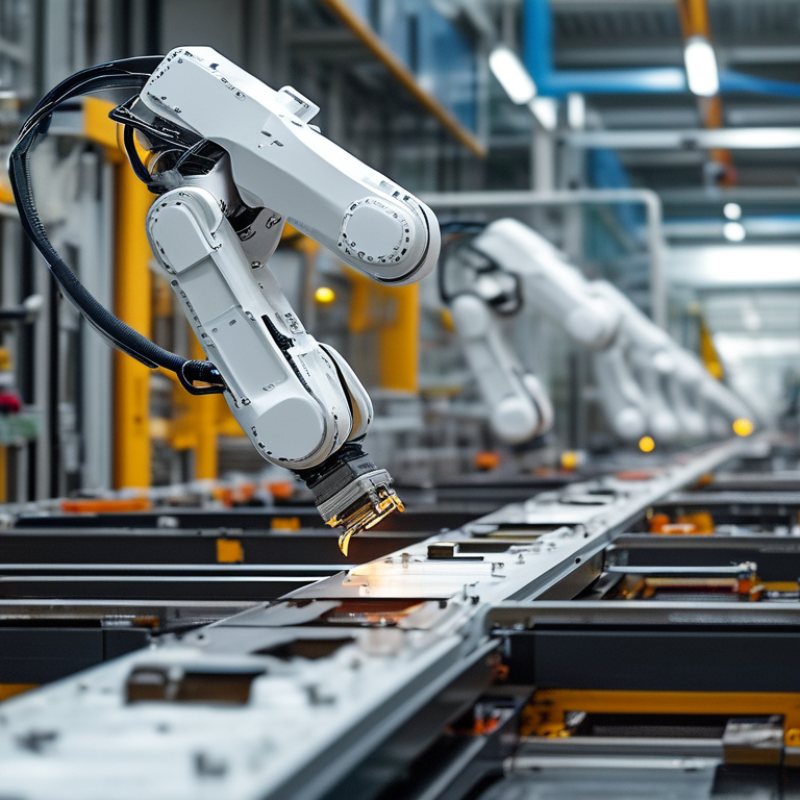
What is a Linear Actuator? Definition and Key Components
A linear actuator converts rotational motion into linear motion. This device is essential in various applications, from robotics to industrial machinery. Understanding its core components is crucial for effective use.
The main components include a motor, a screw or belt mechanism, and a housing. The motor generates rotational movement. This movement drives the screw or belt, creating linear thrust. The housing protects internal elements and provides support. Fine-tuning these parts enhances efficiency, yet finding the right balance can be challenging.
When working with linear actuators, potential issues may arise. For instance, misalignment can cause excessive wear and tear. Regular inspections and adjustments are vital for longevity. It's important to keep in mind that even small changes can significantly impact performance. With careful consideration, linear actuators can be powerful tools in automation and precision tasks.
Types of Linear Actuators: Electric, Pneumatic, and Hydraulic
Linear actuators play a crucial role in automation across various industries. They convert rotational motion into linear movement. Understanding the types of linear actuators can help in selecting the right one for specific applications.
Electric linear actuators are widely used due to their efficiency. They use electric motors to generate movement, making them ideal for tasks requiring precision. Their simple design means minimal maintenance. However, they can struggle in extreme conditions, where power supply might be an issue.
Pneumatic actuators rely on compressed air to function. They can operate quickly and are suitable for applications needing high speed. Nevertheless, they require a consistent air supply, which can be a limitation. Hydraulic actuators, on the other hand, use fluid pressure to create motion. They are powerful and capable of lifting heavy loads. However, they may pose leakage risks and require careful maintenance. Each type has its strengths and weaknesses, making selection a thoughtful process.
What is a Linear Actuator and How Does it Work? - Types of Linear Actuators: Electric, Pneumatic, and Hydraulic
| Type of Actuator |
Working Principle |
Typical Applications |
Advantages |
Disadvantages |
| Electric |
Uses an electric motor to convert rotational motion into linear motion. |
Robotics, linear motion control, and medical devices. |
High precision, easy to control, and quiet operation. |
Limited force compared to pneumatic and hydraulic actuators. |
| Pneumatic |
Uses compressed air to create motion. |
Automation in manufacturing, material handling, and packaging. |
Fast operation, high force-to-weight ratio, and good for repetitive tasks. |
Requires air supply and may have lower precision. |
| Hydraulic |
Uses pressurized hydraulic fluid to produce motion. |
Heavy machinery, automotive applications, and construction equipment. |
Can generate very high forces, suitable for heavy loads. |
Complex system and the potential for fluid leaks. |
How Linear Actuators Work: Mechanisms and Functionality Explained
Linear actuators are essential devices that convert rotary motion into linear motion. They are widely used across various applications, from industrial machines to home automation systems. These actuators often rely on mechanisms like screw drives, linear motors, or hydraulic pressure. Each mechanism has unique advantages and specific use cases, allowing for precise control in movement.
When a linear actuator operates, it begins by receiving a command signal. This signal activates the drive mechanism, initiating motion. For instance, in a screw-driven actuator, a rotating screw moves along a nut, providing linear movement. This simple yet effective design is reliable. However, wear and tear can occur, which may lead to a decrease in performance over time. Regular maintenance is necessary to ensure optimal functionality.
Understanding the mechanics behind linear actuators can reveal their strengths and weaknesses. Be wary of the actuator's limitations, such as speed constraints or load capacities. Not every actuator suits all applications. Choosing the right one often requires balancing performance with cost and reliability. Engaging with expert resources or industry professionals can refine your choice. This approach enhances both the reliability and effectiveness of your project.
Applications of Linear Actuators in Various Industries and Their Impact
Linear actuators are key components in many industries. They convert rotational motion into linear motion. This functionality is crucial for automation, robotics, and machinery. In manufacturing, linear actuators control the movement of conveyor belts. They ensure precise positioning of materials. This enhances efficiency and reduces human error.
In the healthcare sector, linear actuators contribute significantly. They are found in adjustable hospital beds and medical devices. These actuators allow easy patient adjustments. This improves comfort and accessibility for both patients and staff. However, maintenance can be a challenge. Regular checks are important to ensure proper function.
The automotive industry also relies on linear actuators. They assist in automated processes, from assembly lines to electric windows. Their impact on production speed is substantial. Yet, the initial installation costs can be high. Organizations must weigh the benefits against the investment. Overall, the role of linear actuators across various fields is undeniable, but continuous evaluation is needed to optimize their use.
Performance Metrics: Understanding Efficiency and Load Capacity in Actuators
Understanding the efficiency and load capacity of linear actuators is essential for optimal performance. Efficiency refers to how effectively an actuator converts electrical energy into mechanical movement. A high efficiency means less energy wasted as heat. Listening to user feedback can help identify areas for improvement in actuator design and application.
Load capacity is vital as it determines how much weight an actuator can handle. Knowing the required load prevents overloading, which can lead to actuator failure. Analyze your specific needs carefully. Not all projects demand the maximum load capacity. Sometimes, a lower capacity with higher precision may be more suitable.
Keep in mind that regular maintenance can enhance both efficiency and load capacity. Monitor the actuator's performance to spot inconsistencies. Small signs of wear can indicate a need for servicing. Continuous observation leads to better insights and prolonged device longevity. Adjust your approach as needed based on performance data.
Efficiency and Load Capacity of Linear Actuators
This chart illustrates the efficiency and load capacity of various linear actuators. Efficiency is measured in percentage, while load capacity is presented in kilograms. Understanding these metrics is essential for evaluating actuator performance in practical applications.
FAQS
: The main types are electric, pneumatic, and hydraulic actuators. Each serves different applications and needs.
They offer efficiency and precision. Their simple design leads to minimal maintenance requirements.
They need a constant air supply to function. This requirement can pose challenges in certain environments.
They use fluid pressure to create movement. This allows them to lift heavy loads effectively.
Regular maintenance is crucial for performance. Without it, actuators may not function properly, affecting patient care.
They control conveyor belt movement and enhance precise material positioning. This reduces human error.
Knowing load capacity prevents overloading. Overloading can cause actuator failure and costly repairs.
High efficiency means less energy is wasted. This contributes to better overall actuator operation.
Regular performance monitoring and maintenance are essential. Small signs of wear should not be overlooked.
Yes, continuous assessment helps optimize use. Adjusting based on performance data can lead to better outcomes.
Conclusion
A linear actuator is a component that converts rotational motion into linear motion, enabling various mechanical systems to perform essential tasks. Key components of a linear actuator include the motor, gears, and the actuator housing. There are three primary types of linear actuators: electric, pneumatic, and hydraulic, each utilizing different energy sources and mechanisms to achieve movement. Understanding how these actuators function is crucial, as they employ various mechanisms, such as screws or gears, to create linear displacement.
The applications of linear actuators span numerous industries, including manufacturing, aerospace, and robotics, significantly enhancing efficiency and precision in automation tasks. Performance metrics, such as efficiency and load capacity, are essential for assessing the suitability of actuators for specific applications, ensuring they meet operational requirements effectively. Overall, linear actuators play a vital role in modern technology, facilitating a wide range of automated processes.
 Noco tech Motor
