Noco tech Motor Noco tech Motor

Top Tips for Choosing the Right Industrial Gear Motor?

Time:2026-07-20 Author:Madeline
0%

Choosing the right industrial gear motor is a critical decision for optimizing machinery performance. According to a recent report by the International Electromechanical Association, the global market for industrial gear motors is projected to reach $6.5 billion by 2025, highlighting their importance in various sectors. Industry expert Dr. Emily Tran states, "Selecting the appropriate gear motor can significantly enhance efficiency and reduce operational costs."

When evaluating options, factors such as torque, speed, and mounting configurations come into play. Many buyers overlook these aspects, leading to mismatched equipment. An industrial gear motor that doesn't meet specific requirements could lead to decreased productivity. Data from Gear Technology Magazine indicates that 35% of companies experience inefficiencies due to improper motor selection.

It's crucial to consider scalability and energy consumption as well. Experts often recommend future-proofing choices to align with evolving operational demands. Remember, the best gear motor is the one that aligns with your unique application needs, not merely the most popular or the cheapest option.
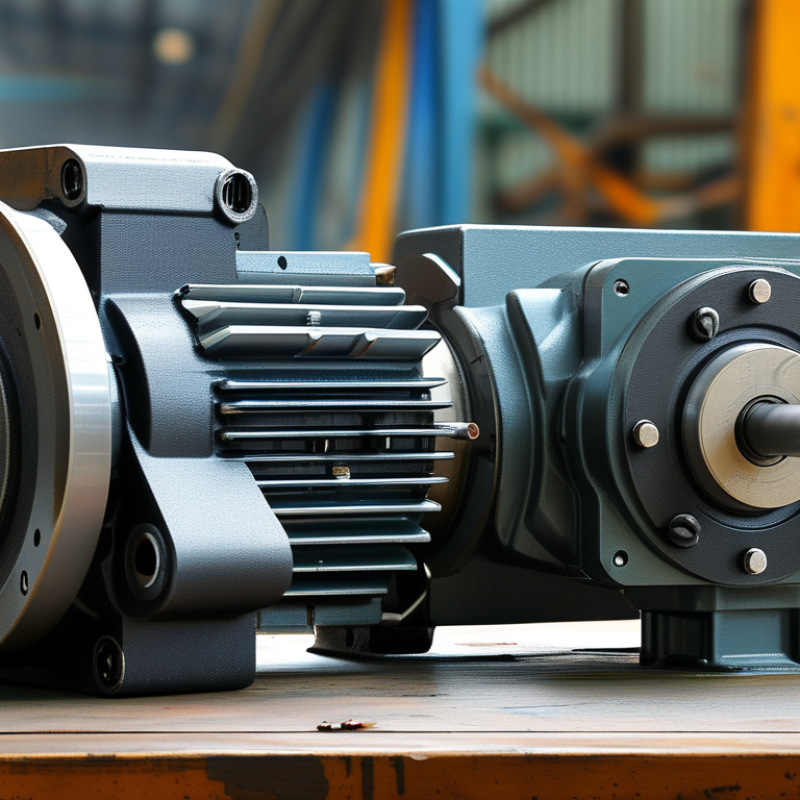
Top Tips for Choosing the Right Industrial Gear Motor?

Understanding the Functionality of Industrial Gear Motors

Industrial gear motors are vital components in various applications, from manufacturing to robotics. Understanding their functionality can help in making an informed choice. A gear motor combines both a gearbox and a motor, translating electrical energy into mechanical torque. This conversion is crucial for high-torque applications, often outpacing direct drive motors in efficiency. Reports indicate that the global industrial gear motor market is expected to reach $10 billion by 2025, highlighting their growing importance.

When choosing the right industrial gear motor, consider the specific needs of your application. Match the motor's output speed to your system's requirements. Be mindful of the load it will handle. An underpowered motor can lead to premature wear or failure. Conversely, an overpowered motor might cause unnecessary energy consumption.

Do not ignore the gear ratio. It plays a more critical role than one might think. A higher gear ratio allows for more torque but could slow down the speed. This balance is where many companies find challenges. For instance, one study identified that improper gear ratios contributed to a 20% decrease in efficiency for certain machines.

Choosing the right industrial gear motor involves keen attention to detail. It’s important to analyze factors such as environmental conditions and maintenance needs. Reliability and performance are key, so investing time in this decision is crucial for long-term success.

Key Factors to Consider When Selecting a Gear Motor

When selecting an industrial gear motor, several key factors must be evaluated. Power output is vital. According to industry reports, nearly 65% of inefficient machinery performance stems from mismatched power requirements. Understanding torque and speed ratings helps prevent costly downtimes and failures. Ensuring that the motor’s specifications align with your application needs is essential.

Another crucial aspect is efficiency. Efficiency ratings can significantly affect operational costs. Research indicates that a reduction in motor energy consumption by just 10% can lead to substantial savings over time. Additionally, consider the environment in which the gear motor will operate. Harsh conditions, such as extreme temperatures or exposure to contaminants, require durable construction and protective features.

Motor size and weight also matter. Compact designs can save space, yet may compromise performance if poorly selected. It’s worth noting that over 30% of projects encounter delays due to the wrong motor choice. Reflecting on past selections can provide insights into improving decision-making processes. Choosing the right industrial gear motor involves careful consideration of multiple factors to ensure optimal performance.

Evaluating Gear Ratios for Optimal Performance

When selecting an industrial gear motor, evaluating gear ratios is crucial for optimal performance. The gear ratio determines the relationship between input and output speed. A ratio of 10:1 means that for every ten rotations of the input, the output completes one. Understanding this allows for fine-tuning of speed and torque, essential for various applications.

Industry reports indicate that a mismatch in gear ratios can lead to operational inefficiencies. For instance, using a higher gear ratio in low-torque applications may reduce the motor's lifespan by 20%. Conversely, an inadequate ratio can cause excessive wear and tear, operating temperatures rising beyond acceptable levels. Choosing the correct ratio can significantly boost efficiency and reduce breakdowns.

It’s essential to analyze specific application requirements. Consider factors like load types and required speed ranges. A range of ratios might seem tempting, but it's vital to avoid the "one size fits all" mentality. Sometimes, a suboptimal ratio can lead to decreased efficiency and increased costs in maintenance. Balancing speed and torque can be challenging but is paramount for achieving the desired outcome.

Top Tips for Choosing the Right Industrial Gear Motor

This chart illustrates the impact of various gear ratios on the torque and speed of industrial gear motors. Selecting the appropriate gear ratio is essential for optimizing performance in different applications.

Assessing Motor Types and Their Applications in Industry

When selecting an industrial gear motor, understanding the types available is essential. Each motor type suits different applications across various industries. For instance, AC motors are commonly used in manufacturing processes due to their efficiency and reliability. Data from the International Energy Agency highlights that electric motors account for about 70% of industrial electricity consumption. This signifies the importance of choosing the right motor type to optimize energy use and operational costs.

DC motors offer high torque and can easily adjust speed, making them ideal for applications requiring precision, such as robotics. Conversely, geared motors combine a motor with a gearbox, enhancing torque and control. This configuration is particularly beneficial in conveyor systems and material handling. A report from the Global Gears Market shows that geared motors are projected to grow at a CAGR of 5.3% over the next five years, emphasizing their growing utility in various sectors.

However, selecting the wrong motor type can lead to inefficiencies. Consider the load requirements and the environment in which the motor will operate. Overlooking these factors may lead to frequent breakdowns or increased energy costs. Evaluating the specific needs of your application is crucial in making an informed choice.

Top Tips for Choosing the Right Industrial Gear Motor

Motor Type Power Range (HP) Typical Applications Efficiency (%) Speed Range (RPM)
AC Gear Motor 0.5 - 100 Conveyor Systems, Fans 80 - 95 100 - 3000
DC Gear Motor 0.1 - 50 Robotics, Electric Vehicles 70 - 90 20 - 5000
Servo Motor 0.5 - 30 CNC Machines, Robotics 90 - 97 100 - 6000
Stepper Motor 0.1 - 10 3D Printers, CNC Routers 80 - 90 10 - 1000

Importance of Reliability and Maintenance in Gear Motor Selection

When selecting an industrial gear motor, reliability is crucial. A dependable motor ensures consistent performance. Downtime can be costly, disrupting operations and affecting productivity. Choosing a reliable gear motor means looking beyond specifications. It involves understanding the manufacturer's track record and user experiences.

Maintenance is another key aspect. Regular upkeep prolongs the lifespan of gear motors. It’s important to assess how easy maintenance will be. Some designs are more accessible than others, impacting efficient service. A well-maintained motor often runs smoother and quieter. Ignoring maintenance can lead to unexpected failures.

Invest time in understanding the features that promote reliability. Look for robust materials and thoughtful design. However, every motor has its limits. Recognizing these limitations is essential for effective selection. Finding the right motor requires balancing performance and upkeep. Reflect on past experiences and learn from them to enhance future choices.

FAQS

: What are the key types of industrial motors?

: AC motors are efficient and reliable. DC motors have high torque and speed control. Geared motors enhance torque with gearboxes.

Why is selecting the right motor important?

The right motor optimizes energy use and reduces operational costs. Using the wrong motor can cause inefficiencies and breakdowns.

How can you ensure a motor's reliability?

Assess the manufacturer's track record and check user experiences. Reliable motors perform consistently and reduce downtime.

What role does maintenance play in motor performance?

Regular maintenance prolongs a motor's lifespan. Ignoring upkeep can lead to unexpected failures and operational disruptions.

What factors should be considered during motor selection?

Consider load requirements and the operating environment. Overlooking these can lead to inefficiencies and higher energy costs.

How can motor design affect serviceability?

Some motor designs are more accessible for maintenance. This impacts how efficiently they can be serviced over time.

What materials enhance a motor's reliability?

Robust materials and thoughtful design contribute to durability. However, each motor has its limits and should be understood.

Is it beneficial to learn from past motor experiences?

Yes, reflecting on previous choices helps improve future selections. Learning from mistakes is key to better decision-making.

What happens if a motor is not maintained?

Neglecting maintenance can lead to smoother operations. It can also cause noise and reduce the overall effectiveness of the motor.

How can performance and upkeep be balanced when selecting motors?

Evaluate features promoting reliability while meeting performance standards. Finding this balance is essential for optimal motor selection.

Conclusion

Choosing the right Industrial Gear Motor is crucial for ensuring optimal performance in various industrial applications. Understanding how these motors function helps in selecting the appropriate type for specific needs. Key factors include evaluating gear ratios, which determine the efficiency and speed of the motor, as well as assessing different motor types that can cater to specific operational requirements.

Moreover, reliability and maintenance play a significant role in the longevity and effectiveness of an Industrial Gear Motor. By considering these aspects, including the design and material quality, businesses can make informed decisions that enhance productivity and reduce downtime. Overall, a comprehensive understanding of these elements will lead to better choices in gear motor selection, ultimately benefiting industrial operations.

Madeline

Madeline

Madeline is a dedicated marketing professional with a wealth of expertise in our company's core offerings. With a keen understanding of the industry, she brings a unique perspective to her role, consistently delivering high-quality content that highlights the superior aspects of our products. As......