Choosing the right AC Motor can be a daunting task. With varying specifications and applications, it's essential to make an informed decision. According to industry expert Jane Smith, "Selecting an AC Motor isn’t just about power; it's about understanding your specific needs." This highlights the critical nature of the selection process.
When evaluating your options, consider not only the motor's power but also its efficiency and application. The right AC Motor can greatly impact performance and energy consumption. However, many overlook the importance of matching motor specifications to their project requirements. For instance, industrial settings may require robust motors, while residential applications might benefit from more compact designs.
Additionally, take time to research. Speak with manufacturers, and ask questions. Gathering insights from experts can illuminate unseen factors, ensuring that your choice is reliable. Reflecting on these aspects can prevent future challenges. The right decision today can lead to smooth operations tomorrow.
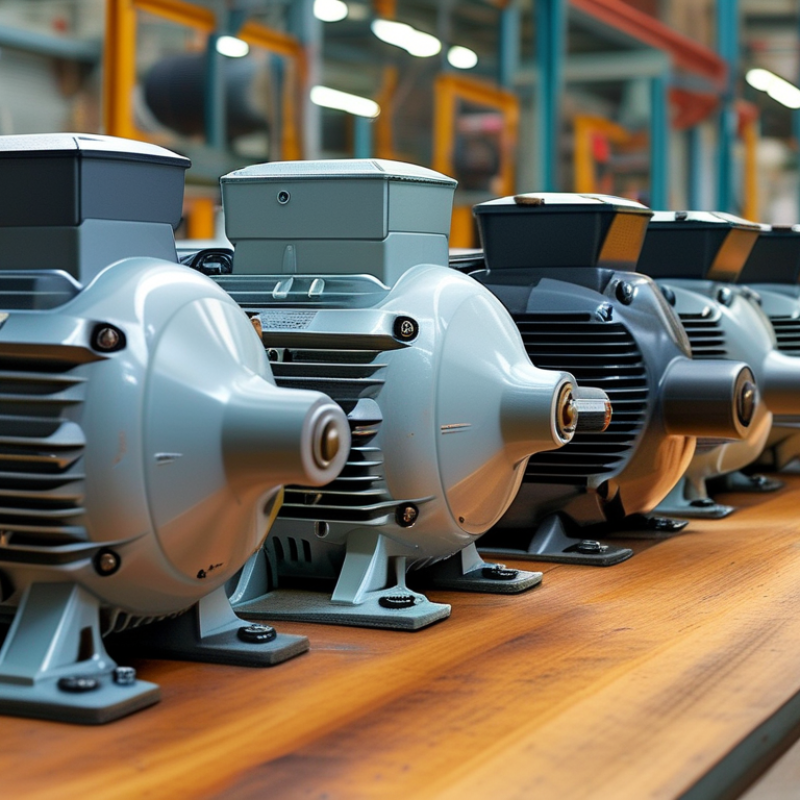
Understanding the Basics of AC Motors: Types and Characteristics
Understanding AC motors is essential for making informed decisions. AC motors fall into two main types: synchronous and asynchronous. Synchronous motors operate at a constant speed, linked to the supply frequency. They are efficient and often used in industrial settings where precise speed control is needed. In contrast, asynchronous motors, or induction motors, are more commonly used due to their robustness and simpler design.
The characteristics of AC motors influence their performance. For example, efficiency ratings are critical. According to the U.S. Department of Energy, high-efficiency motors can consume up to 10% less energy than standard motors. This can translate to significant cost savings in long-term operations. Noise levels and starting torque are also important concerns. Many applications require quiet operations and reliable starting capabilities. A mismatch can lead to operational failures.
One common error is ignoring environmental factors. Ambient temperatures and humidity can impact motor performance. Selecting the wrong motor for extreme conditions may reduce lifespan. Some users fail to account for these variables, leading to increased maintenance costs. A thorough understanding of these basic types and their characteristics helps address such issues effectively.
Assessing Load Requirements: Determining Power Needs for Your Application
When choosing the right AC motor, assessing load requirements is crucial. Understanding the power needs of your application helps in making an informed decision. Consider the type of load:
is it continuous or intermittent? Continuous loads demand motors that can run for longer periods without overheating. Intermittent loads might allow for smaller, less powerful motors.
One important tip is to quantify your load precisely. Calculate the torque and speed requirements of your application. Use reliable formulas to convert these parameters into horsepower. This calculation provides a clearer picture of the appropriate motor size.
Avoid underestimating your needs; an undersized motor can overheat and fail prematurely.
Another aspect to consider is the operating environment. Temperature and humidity can affect motor performance. Is it indoors or outdoors? A motor in a humid setting may require additional protection.
Additionally, reflect on maintenance needs. Regular checks can prevent unexpected breakdowns and extend motor lifespan. Always prioritize reliability when selecting a motor for your specific use case.
It pays off in the long run.
Evaluating Efficiency Ratings: Choosing an Energy-Efficient AC Motor
When selecting an AC motor, evaluating efficiency ratings is crucial. A motor's efficiency directly impacts energy consumption. An energy-efficient AC motor can lead to significant cost savings over time. Look for high-efficiency ratings, typically rated by organizations or industry standards. This rating shows how well the motor converts electrical energy into mechanical energy.
Consider the operational environment as well. Motors in high-temperature areas might perform differently. Some might even overheat if not properly rated. It is essential to assess the motor’s intended use and application. Low-efficiency motors can increase electricity bills and reduce overall effectiveness.
Unfortunately, many overlook this aspect. They might prioritize initial costs over long-term savings. Hence, ensure you understand how energy efficiency influences total operational costs. Making informed choices will lead to improved performance and sustainability. Aim for an investment that balances cost and efficiency. It’s essential to reflect on these factors for better decision-making.
Considering Environmental Factors: Operating Conditions and Motor Selection
When selecting the right AC motor, environmental factors play a crucial role. Operational conditions can significantly impact motor performance and longevity. For instance, if your motor will be exposed to extreme temperatures or humidity, it must be rated to withstand these conditions. Motors designed for harsh environments often feature protective coatings that can prevent corrosion.
Tip: Consider the ambient temperature. Motors usually have a temperature rating. If the surrounding temperature exceeds this rating, the motor may overheat. Another factor is the presence of dust or chemicals. Make sure to choose a motor with appropriate seals and housing to protect it from such contaminants.
Also, analyze the installation location. A motor in a tight or poorly ventilated space may require enhanced cooling features. If your application involves frequent starts and stops, select a motor designed for high duty cycles. It’s essential to research various motor types and consult with experts familiar with your specific needs. Your choices today impact efficiency and reliability down the road.
Budget and Cost Analysis: Balancing Quality with Affordability in AC Motors
When selecting an AC motor, budget and cost are key factors. A quality motor may seem expensive initially, but it can save you money over time. Consider the total cost of ownership, not just the purchase price. Maintenance expenses and energy efficiency have a significant impact on overall costs. Investing in a reliable motor can lead to reduced operating costs and longer service life.
Finding a balance between quality and affordability can be challenging. Low-cost motors may use inferior materials, impacting their durability. It's essential to examine the specifications and ratings of the motors you consider. Lower upfront costs can lead to higher expenses later. A thorough cost analysis should include potential repairs and replacements.
Don’t overlook the importance of efficiency ratings. Higher efficiency models may cost more upfront, but they consume less energy. This can lead to significant savings on utility bills. Consider seeking expert advice before making a purchase. This can prevent costly mistakes. Remember, selecting the right AC motor is an investment in long-term efficiency and reliability.
FAQS
Synchronous motors operate at a constant speed linked to the supply frequency.
Asynchronous motors are preferred for their robustness and simpler design.
Efficiency ratings, noise levels, and starting torque significantly influence performance.
Ignoring temperatures and humidity can reduce motor lifespan and increase maintenance costs.
Total cost includes purchase price, maintenance, and energy efficiency, impacting overall expenses.
Yes, low-cost motors might use inferior materials, leading to durability issues.
Efficiency ratings, specifications, and potential repair costs should all be considered.
Expert advice can prevent costly mistakes and guide you in making better choices.
A good motor investment leads to energy savings, reliability, and reduced operating costs.
Conclusion
When selecting the right AC motor for your specific needs, it's essential to start by understanding the different types and characteristics of AC motors available. This foundational knowledge allows you to assess the load requirements accurately, ensuring that the motor you choose can meet the power needs of your application efficiently.
Additionally, evaluating efficiency ratings is crucial, as an energy-efficient AC motor can lead to significant cost savings over time. Consideration of environmental factors, such as operating conditions, will also influence motor selection. Finally, conduct a thorough budget and cost analysis to strike a balance between quality and affordability, ensuring you invest in an AC motor that not only performs well but also fits within your financial constraints.
 Noco tech Motor
