In today's rapidly evolving industrial landscape, the demand for Hot Sale Gear Motors is on the rise. According to a recent report by Global Market Insights, the gear motor market is projected to reach $12 billion by 2027. This growth is driven by advancements in automation and energy efficiency. Industry expert Dr. James Turner emphasizes, "The selection of the right gear motor is crucial for optimizing performance."
Hot Sale Gear Motors are essential components in various applications. They ensure reliability in industries such as manufacturing, robotics, and transportation. For global buyers, identifying quality gear motors can be challenging given the vast options available. Yet, the right choice significantly impacts productivity and operational costs.
Despite the abundance of options, not all gear motors are created equal. Variability in quality and performance can affect end-user satisfaction. Thus, buyers should be cautious and perform meticulous research before making a purchase. It's vital to weigh the pros and cons of each product to avoid costly mistakes.
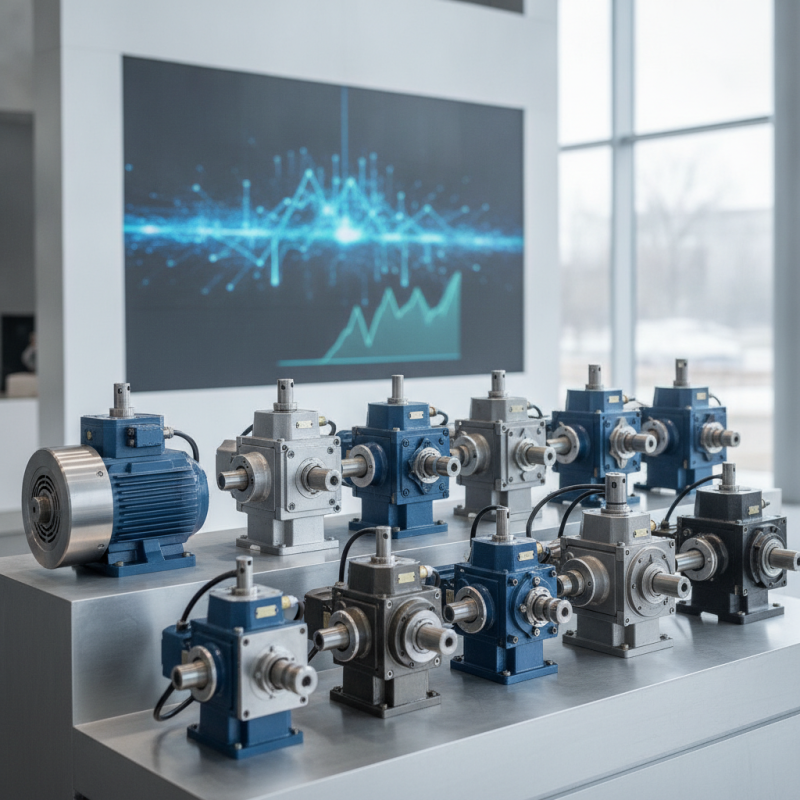
Overview of Gear Motors and Their Applications
Gear motors are essential in various industries. They combine a motor and gears to provide high torque and precise control. This makes them ideal for tasks requiring consistent speed and power. Applications include robotics, conveyor systems, and automotive mechanisms. These motors help optimize performance in demanding environments.
In manufacturing, gear motors drive machines, ensuring efficiency and reliability. They are crucial in food processing, packaging, and material handling. A well-chosen gear motor improves productivity and reduces energy consumption. However, selecting the right specifications can be challenging. It requires understanding load requirements and operational conditions.
Attention to detail is vital. If the gear ratio is mismatched, performance decreases. Regular maintenance ensures longevity, but not all buyers prioritize it. Additionally, noise levels and heat generation can impact other components. Addressing these factors leads to better integration of gear motors in systems.
Criteria for Evaluating Top Gear Motors in the Market
When evaluating top gear motors, several criteria come into play.
Performance is critical; it affects efficiency and durability.
Buyers should consider the motor's power output and torque. This directly impacts application suitability.
A high torque rating might be necessary for heavy-duty tasks. Conversely, smaller applications may need less power.
Material quality is another essential factor.
The construction materials influence wear and tear over time. Motors made with robust materials tend to last longer.
Reliability is key in different environments. An exposed motor may require specific protective features against dust and moisture.
Cost-effectiveness should not be overlooked. The initial investment might be tempting, but
long-term maintenance costs matter. Evaluating energy efficiency is crucial too. A more efficient motor can save on electricity bills.
It's not always about upfront price; total cost of ownership is important.
Finally, buyer feedback can be insightful. User experiences provide valuable perspectives on durability and performance that specifications may not reveal.
Detailed Review of the Top 10 Hot Sale Gear Motors
When looking for gear motors, quality and performance are crucial. This review highlights top hot sale gear motors that have garnered attention globally. Each motor presents unique features, making them suitable for various applications. Consider factors like torque, speed, and size when selecting a motor for your project.
Ensure you assess the motor’s efficiency. A motor with high efficiency can save energy costs in the long run. It’s important to understand the specifics of your needs—this can prevent choosing a motor that is either underperforming or overkill for your requirements. Sometimes, users overlook the importance of compatibility with existing systems, leading to operational issues.
Tips: Always check the performance ratings and user reviews. Testimonials can offer insights into long-term reliability. Additionally, consider the warranty and support from suppliers; this can provide peace of mind. Remember, while prices can vary, investing in quality gear motors can enhance your project’s success significantly. Make informed choices that align with your specific application needs.
Top 10 Hot Sale Gear Motors for Global Buyers
| Model |
Power (W) |
Voltage (V) |
Gear Ratio |
Efficiency (%) |
Weight (kg) |
| Motor A |
250 |
220 |
1:50 |
85 |
5.5 |
| Motor B |
500 |
110 |
1:30 |
90 |
8.0 |
| Motor C |
150 |
24 |
1:20 |
80 |
3.2 |
| Motor D |
1000 |
380 |
1:15 |
92 |
10.0 |
| Motor E |
300 |
48 |
1:25 |
88 |
6.3 |
| Motor F |
750 |
220 |
1:40 |
89 |
9.5 |
| Motor G |
400 |
12 |
1:20 |
84 |
4.2 |
| Motor H |
600 |
220 |
1:10 |
91 |
12.5 |
| Motor I |
800 |
240 |
1:35 |
86 |
11.0 |
| Motor J |
1200 |
380 |
1:5 |
93 |
14.0 |
Comparative Analysis of Features and Specifications
When selecting gear motors, understanding their specifications is crucial. Each motor type offers various ratios, torque outputs, and efficiencies. Buyers should pay close attention to these factors for their specific applications. The choice of material also impacts overall reliability. Lightweight options may not withstand heavy loads, potentially leading to long-term disappointments.
Another important feature is the operational temperature range. Some motors may perform poorly under extreme conditions. Evaluating heat resistance can prevent issues down the line. Noise levels are often overlooked. A quieter motor may enhance the user experience but can come at a cost. Keep an eye on the balance between performance and acoustics.
Customizability can be a double-edged sword. While tailored solutions meet specific needs, they may complicate maintenance. Recognizing the trade-offs between flexibility and ease of use helps in decision-making. The motor's lifespan is essential too. The longer it lasts, the better value it offers. But many factors can affect longevity. Quality control and usage patterns should not be ignored.
Tips for Choosing the Right Gear Motor for Your Needs
Choosing the right gear motor is crucial for your project's success. You need to consider several factors to ensure optimal performance. First, define the required torque and speed. These specifications will determine which motor type best suits your needs.
Understand the load and application. Whether it's for an industrial machine or a hobby project, the usage varies.
Next, think about the environment where the motor will operate. Will it be exposed to dust, moisture, or extreme temperatures? Selecting a motor with an appropriate protective rating can prevent premature failure.
Features, such as efficiency and noise level, also play a significant role in decision-making. Efficiency can impact operating costs, while noise levels affect the working environment.
Consider the size and weight of the motor. Larger motors may provide higher torque but require more space and support. But, sometimes a smaller motor might strain under heavy loads. It’s vital to strike a balance between size and power output.
Reflect on the long-term maintenance needs as well; some motors may need regular checks, while others are more robust. This can save you time and resources in the long run.
FAQS
: Consider torque, speed, size, and efficiency. Understand your specific needs to avoid underperforming motors.
A high-efficiency motor can save energy costs over time. It’s worth evaluating during selection.
Compatibility can prevent operational issues. Choose a motor that integrates well with your current setup.
Pay attention to torque outputs, ratios, and operational temperature ranges. These affect motor performance.
Lightweight materials may not withstand heavy loads. Consider durability to avoid future disappointments.
Noise levels can impact user experience. A quieter motor might be preferable, but it could increase costs.
Custom motors meet specific needs but may complicate maintenance. Weigh the benefits against ease of use.
Quality control and usage patterns can affect longevity. A longer-lasting motor usually provides better value.
Consider exposure to dust, moisture, or temperature extremes. Select a motor with appropriate protection ratings.
Some motors need regular checks, while others are more robust. Plan for maintenance to save time and resources.
Conclusion
This article provides a comprehensive overview of Hot Sale Gear Motors, highlighting their diverse applications across various industries. It begins by discussing the significance of gear motors, emphasizing their efficiency and reliability in mechanical systems. The criteria for evaluating the best gear motors in the market are outlined, focusing on performance, durability, and efficiency.
A detailed review of the top 10 Hot Sale Gear Motors follows, featuring a comparative analysis of their key specifications and features. The article aims to equip potential buyers with the necessary insights to make informed decisions. Lastly, it offers practical tips for selecting the right gear motor according to specific needs, ensuring that readers can find the optimal solution for their applications.
 Noco tech Motor
