Noco tech Motor
The efficiency and reliability of automation systems are significantly influenced by the choice of motors used. Among these, the DC Brushless Gear Motor stands out as a preferred option for many applications. According to a report by Allied Market Research, the global DC motor market is projected to reach $21.17 billion by 2027, highlighting the rapid growth and adoption of this technology.
DC Brushless Gear Motors offer high efficiency and low maintenance, making them suitable for a wide range of automated solutions. Their design minimizes friction losses, achieving up to 90% efficiency in some applications. This performance is critical, particularly in sectors like robotics and manufacturing, where efficiency translates directly into cost savings. However, not all motors are created equal. Selecting the right model requires a deeper understanding of various factors, including torque requirements and speed control.
Despite their advantages, there are considerations to keep in mind. Some models may present issues with thermal management or require specialized controllers, leading to added complexity. Therefore, a thorough evaluation is necessary when choosing from the top 10 DC Brushless Gear Motors. Identifying the best fit for specific automation needs can lead to improved performance and reliability in operations.
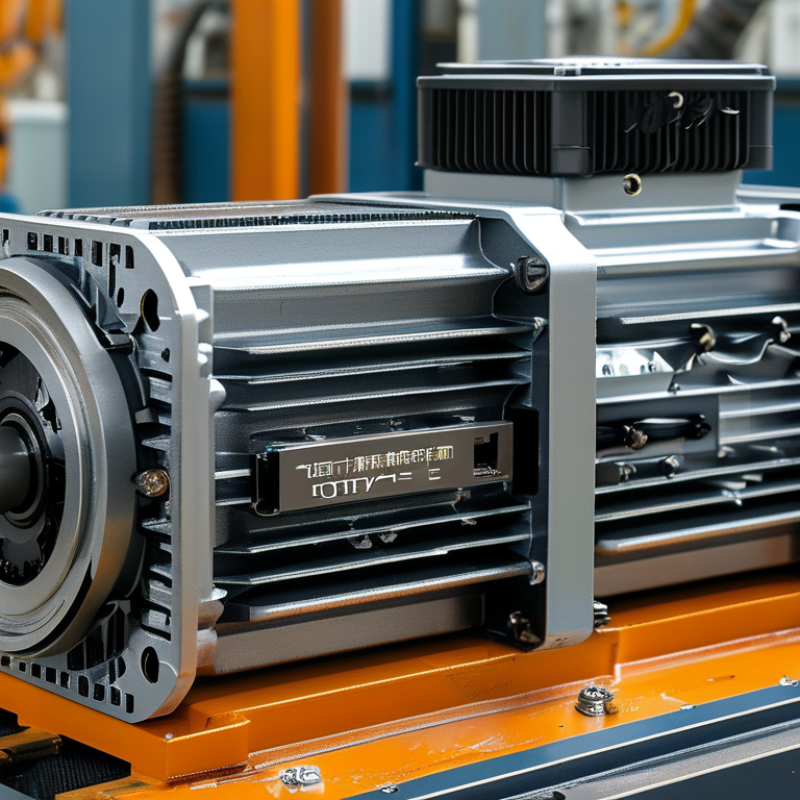
DC brushless gear motors represent a vital part of automated systems. They provide efficient and reliable performance. These motors are praised for their longevity and minimal maintenance requirements. The absence of brushes reduces friction and wear, leading to a longer lifespan.
Automation applications benefit significantly from DC brushless gear motors. They can achieve high torque at low speeds, making them ideal for precision tasks. Many industries, from robotics to manufacturing, utilize these components for better efficiency. The integration of gear systems enhances their performance further, allowing for varied speed and torque output.
Despite their advantages, these motors can be complex to implement. Proper understanding of their specifications is crucial. Matching the gear ratio with application requirements is challenging. Additionally, performance can be influenced by factors like temperature and load conditions. Analyzing these variables is essential for optimal operation.
DC brushless gear motors are becoming a staple in automation due to their numerous advantages. A report from the International Energy Agency notes that automation can lead to energy savings of up to 25%. This efficiency is enhanced with DC brushless gear motors, which have minimal friction and wear. They operate more smoothly, promoting longer machine life and reducing downtime.
One compelling aspect of DC brushless technology is its precision. Many applications require exact positioning and movement. According to research from the Robotics Industry Association, precision motors can improve overall system performance by 40%. As industries look for ways to optimize performance, the demand for such motors rises.
However, there are challenges. Initial costs are typically higher compared to traditional motors. This investment may be a deterrent for some manufacturers. Understanding the long-term savings and efficiency gains is crucial. It requires companies to think beyond upfront expenses and consider overall lifecycle costs. Investing in DC brushless gear motors could lead to transformative impacts on automation processes.
When selecting the best DC brushless gear motors, several criteria are crucial for ensuring efficient automation. Motor performance is vital. Look for torque ratings that match your application needs. Ensure that the motor’s speed and power align with your system specifications for optimal results.
Another key factor is the motor's efficiency rating. Higher efficiency translates to better energy use and longer lifespan. Consider the operating environment as well. Motors need to withstand specific conditions, including temperature and humidity. This will help prevent premature failures.
Ease of integration is also essential. Look for motors that come with comprehensive documentation and adaptable mounting options. This simplifies installation and enhances versatility. However, always evaluate the total cost of ownership, not just the initial price. Assessing long-term value is crucial for sustainable operation. Even minor inefficiencies can accumulate over time, resulting in wasted resources.
When it comes to automation, selecting the right DC brushless gear motor is crucial. These motors are efficient, reliable, and versatile. They excel in various applications, from robotics to conveyor systems. Their design allows for smooth operation with minimal maintenance. However, it is important to note that not all models are created equal.
Some motors may consume more power, affecting efficiency. Others may offer limited torque settings, which could impact performance. It’s essential to evaluate each option based on specific project requirements. Consider the gear ratios, speed, and load capacities carefully. In addition, noise levels and heat generation can be critical factors in a working environment.
Take time to research each motor's specifications. Users often overlook the importance of detailed analysis. Reviews and expert opinions can provide valuable insights. A thorough examination prevents costly mistakes. Documented experiences help in making informed decisions. While many options are available, patience in selection ensures optimal performance in automation tasks.
DC brushless gear motors are pivotal in various industries such as robotics, automotive, and manufacturing. These motors offer higher efficiency and longevity compared to traditional motors. According to a recent report by the International Society of Automation, these motors can reduce operational costs by up to 30%. This efficiency is essential for sectors aiming for sustainability and reduced energy consumption.
In robotics, DC brushless gear motors are used for precision control in robotic arms. They provide smoother motion, which allows for accurate placement of components. In the automotive industry, these motors facilitate quicker response times. Their lightweight design contributes to improved fuel efficiency in electric vehicles. Manufacturing applications also benefit significantly. The motors simplify automation processes, leading to a 25% increase in production rates, as highlighted by the Manufacturing Innovation Report.
Tips: When choosing a motor, consider the load requirements. An undersized motor can lead to overheating and failures. Regularly assess the system to ensure optimal performance, as wear and tear can reduce efficiency over time. Remember, not all applications require the same type of motor; it’s vital to align the motor's capabilities with the specific task.
| Motor Model | Rated Voltage (V) | Rated Torque (Nm) | Max Efficiency (%) | Weight (kg) | Applications |
|---|---|---|---|---|---|
| Model A | 24 | 0.5 | 85 | 1.2 | Robotics, Automation |
| Model B | 48 | 1.0 | 90 | 1.5 | Conveying Systems |
| Model C | 12 | 0.8 | 80 | 0.9 | Medical Equipment |
| Model D | 36 | 1.2 | 87 | 2.0 | Agricultural Machinery |
| Model E | 60 | 1.5 | 92 | 1.8 | Aerospace |
| Model F | 24 | 0.7 | 88 | 1.3 | Automated Guided Vehicles |
| Model G | 48 | 1.3 | 85 | 1.6 | Textile Manufacturing |
| Model H | 12 | 0.6 | 82 | 0.7 | Food Processing |
| Model I | 36 | 1.0 | 89 | 1.4 | Warehouse Automation |
| Model J | 48 | 1.8 | 91 | 2.1 | Public Transport Systems |
: Key criteria include torque ratings, efficiency, operating environment, and ease of integration.
Motor performance ensures the torque and speed match application needs for optimal results.
Higher efficiency leads to better energy use and a longer lifespan, reducing operational costs.
Consider temperature and humidity, as motors must withstand specific environmental conditions.
Comprehensive documentation and adaptable mounting options simplify installation and enhance versatility.
Evaluate long-term value to avoid wasted resources, as minor inefficiencies can accumulate over time.
They provide precision control and smoother motion for accurate placement of robotic components.
They offer quicker response times and contribute to improved fuel efficiency in electric vehicles.
They simplify automation and can lead to a significant increase in production rates.
Ensure the motor meets load requirements; an undersized motor can overheat and fail.
DC Brushless Gear Motors are increasingly utilized in automation due to their efficiency and performance advantages. These motors offer enhanced reliability, reduced maintenance needs, and improved energy efficiency compared to traditional brushed motors. When selecting a DC Brushless Gear Motor, key criteria include torque performance, speed control, size compatibility, and thermal management.
The top 10 DC Brushless Gear Motors recommended for automation cover a range of specifications, making them suitable for various industrial applications, such as robotics, conveyor systems, and packaging machinery. These motors play a crucial role in optimizing operational processes across multiple sectors, combining precision control with durability to meet the demands of modern automation challenges.
