Noco tech Motor
In the rapidly evolving world of industrial automation, Electric Gear Motors play a critical role. Experts emphasize the significance of selecting the right motor. "The right Electric Gear Motor can enhance efficiency and reduce operational costs," says Dr. Emma Thompson, an industry leader with over 20 years of experience.
As we look towards 2026, global buyers are faced with a diverse array of options. Brands are innovating to meet varying industrial needs, but the challenge remains in pinpointing the best fit. Selection involves understanding torque requirements, speed, and specific applications. Each choice has a direct impact on performance and reliability.
In this landscape, the evolving demands of industries add complexity. Buyers often overlook the long-term performance benefits. The right choice can prevent costly downtimes and ensure smooth operations. As we explore the top ten Electric Gear Motors available, it’s crucial to reflect on individual needs and market trends.
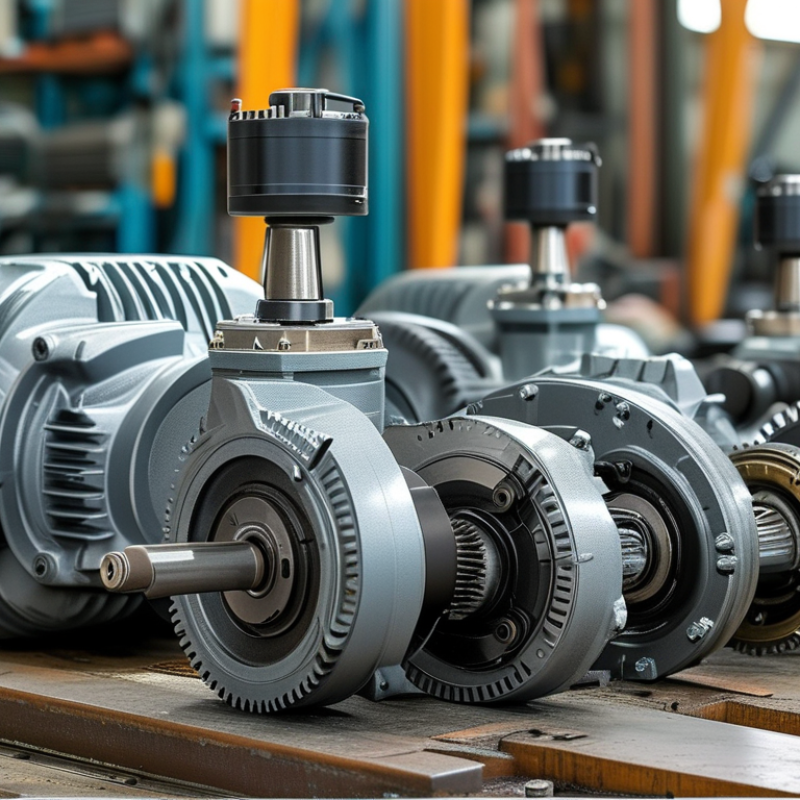
In 2026, the electric gear motor market will undergo significant transformations due to emerging trends. Increasing demand for energy efficiency drives innovation in motor design. Reports suggest that the market will grow at a CAGR of 5.2% from 2021 to 2026, reaching an estimated value of $12 billion. This growth is fueled by various sectors, including automotive and industrial automation.
Sustainability is at the forefront of these changes. As companies seek greener solutions, manufacturers are developing motors that consume less energy and reduce carbon footprints. Around 60% of new electric motors will feature advanced materials and technology aimed at enhancing efficiency. Moreover, the integration of IoT in electric gear motors will further streamline operations, allowing real-time monitoring and predictive maintenance.
However, challenges remain. Supply chain disruptions and fluctuating raw material prices can impact production. Many manufacturers may struggle with adapting to rapid changes while maintaining quality. Reflecting on these issues, the path forward requires a balance between innovation and reliability, ensuring that advancements do not compromise performance or durability.
When selecting electric gear motors, buyers should prioritize efficiency and performance. High efficiency ratings indicate better energy consumption, which is crucial for reducing operating costs in the long term. Additionally, consider the gear ratio, as it affects the motor’s speed and torque output. Accurate calculations will ensure the motor meets specific application needs.
It’s essential to evaluate the motor's design and material quality. Premium materials can extend the motor’s lifespan and enhance durability under tough conditions. Also, analyze the noise levels during operation. A quiet motor can be beneficial in environments where sound pollution is a concern.
Keep in mind that size and weight also impact usability. A compact motor is preferable in applications where space is limited. Lastly, ensure to check the service and support offered by manufacturers. Reliable customer service can provide assistance in case of technical issues. Buyers must tread carefully here; not all products may offer the same level of reliability.
The electric gear motor industry is poised for significant growth by 2026. According to a recent market analysis, the global electric gear motor market may surpass USD 30 billion. This growth is driven by increasing automation in various sectors, emphasizing the need for reliable and energy-efficient solutions.
Key manufacturers are focusing on innovation and sustainability. They are investing heavily in R&D. Reports indicate that more than 15% of industry revenue is allocated to developing new technologies. This investment aims to improve motor efficiency and reduce environmental impact. However, despite these advances, challenges remain in achieving cost-effectiveness while maintaining quality.
The geographical distribution of manufacturing is also shifting. Asia-Pacific countries are becoming dominant players in this sector. This region is expected to hold over 40% of the market share by 2026. However, challenges such as supply chain disruptions can impact production. As manufacturers navigate these complexities, constant adaptation and strategic partnerships are essential for future success.
Electric gear motors are transforming various industries with their efficiency and versatility. Many sectors, including manufacturing, automation, and renewable energy, benefit immensely from these devices. Manufacturing often utilizes electric gear motors for conveyor systems and robotic arms, ensuring smooth operation and precise movement. In the automation industry, these motors enhance precision in applications like packaging and assembly lines. Renewable energy applications, such as in wind turbines, rely on them for reliable operation and energy conversion.
Tips: When selecting electric gear motors, consider the torque requirements and the space constraints of your application. A thorough assessment can guide you toward the model that meets your needs best.
Another key area is the automotive industry, where electric gear motors are integral for electric vehicles. They provide the necessary power for drive systems, steering, and braking. The rise of electric vehicles has amplified the demand for these motors. Robotics, too, has seen significant advancements, with electric gear motors enabling intricate movements. However, challenges remain in terms of efficiency and heat management, areas where ongoing research is crucial.
Tips: Keep an eye on emerging technologies in electric motor designs. Innovations can lead to improved efficiency and performance, potentially changing industry standards.
| Motor Type | Power Rating (kW) | Voltage (V) | Efficiency (%) | Applications | Industries |
|---|---|---|---|---|---|
| AC Gear Motor | 2.5 | 230 | 90 | Conveyor Systems | Manufacturing |
| DC Gear Motor | 1.5 | 48 | 85 | Robotics | Automotive |
| Stepper Motor | 0.75 | 24 | 80 | 3D Printers | Consumer Electronics |
| BLDC Gear Motor | 3.0 | 400 | 92 | Electric Vehicles | Transportation |
| Synchronous Motor | 5.0 | 480 | 95 | Pumps and Blowers | Healthcare |
| Asynchronous Motor | 10.0 | 400 | 88 | Compressors | Chemical |
| Servo Motor | 0.5 | 220 | 90 | CNC Machinery | Aerospace |
| Gear-Head Motor | 4.0 | 230 | 86 | Textile Machines | Textiles |
| High Torque Motor | 6.0 | 380 | 93 | Mining Equipment | Mining |
| Universal Motor | 1.0 | 120 | 75 | Household Appliances | Consumer Goods |
The electric gear motor industry is evolving rapidly. As sustainability becomes a key focus, manufacturers are innovating more than ever. Green technology is no longer just an option; it is a necessity. Electric gear motors now often feature recyclable materials. This reduces waste and promotes a circular economy. Consumers are increasingly aware of these changes. They seek products that are environmentally friendly.
Recent innovations include improved energy efficiency. Many electric gear motors now operate at optimal performance levels with lower energy consumption. This is a significant benefit for users looking to reduce operational costs. In addition, advancements in design lead to smaller, more compact motors. These designs provide flexibility in various applications while maintaining power output. Yet, manufacturers must continuously address challenges. Not all innovations meet high performance standards. Some solutions may require further testing and refinement.
Sustainability should guide future developments in electric gear motors. Manufacturers face pressure to balance innovation with practicality. This means creating effective solutions that are also affordable. The path to a truly sustainable electric motor may take time. Progress can be slow, with setbacks along the way. However, the industry's commitment to evolution suggests a promising future.
: Increasing demand for energy efficiency fuels innovation in motor designs and applications.
The market is projected to grow at a CAGR of 5.2% from 2021 to 2026.
Many manufacturers develop motors that consume less energy and reduce carbon footprints.
Buyers should prioritize efficiency, gear ratio, and quality of materials to ensure performance.
A quieter motor is preferred in environments where noise pollution needs to be minimized.
A compact motor is essential for applications with limited space for installation.
Supply chain disruptions and fluctuating raw material prices can impact production quality and efficiency.
Significant investments in R&D aim to enhance motor efficiency while minimizing environmental impact.
Good service provides essential support for technical issues that may arise during use.
Asia-Pacific countries are increasingly dominant, expected to hold over 40% of the market share by 2026.
The electric gear motor market is poised for significant growth by 2026, driven by emerging trends such as increased automation and energy efficiency demands across various industries. Key features to consider when choosing an electric gear motor include torque, speed, and compatibility with smart technologies, which are essential for optimizing performance and reliability.
Leading manufacturers in the electric gear motor industry are focusing on innovation and sustainability, introducing advanced technologies that enhance efficiency while minimizing environmental impact. Applications of electric gear motors span a wide range of sectors, including automotive, manufacturing, and renewable energy, highlighting their versatility and crucial role in modern machinery. The integration of sustainable practices and innovative designs is set to redefine the future landscape of electric gear motors, making them indispensable in various applications.
