 Noco tech Motor
Noco tech Motor
Noco tech Motor
In today's fast-evolving technology landscape, the demand for Small DC Motors has surged among global buyers. These compact motors are essential in various applications, from robotics to consumer electronics. Expert Dr. Jane Thompson, a renowned figure in electrical engineering, states, "Small DC Motors are the backbone of modern innovation." This highlights their significance in driving efficiency and performance in numerous devices.
Selecting the right Small DC Motor can be challenging due to the vast array of options available. Buyers often face difficulties in finding motors that meet their specific requirements, such as size, power, and efficiency. Many choices lead to confusion, underscoring the need for insightful guidance. It's crucial to understand the unique characteristics of different motors to make informed decisions.
Navigating this market requires expertise and careful consideration. With evolving technologies, the features of Small DC Motors continue to change. Buyers must stay informed about advancements to avoid selecting outdated models. By choosing the right motor, one can enhance the performance of their projects and drive innovation forward.
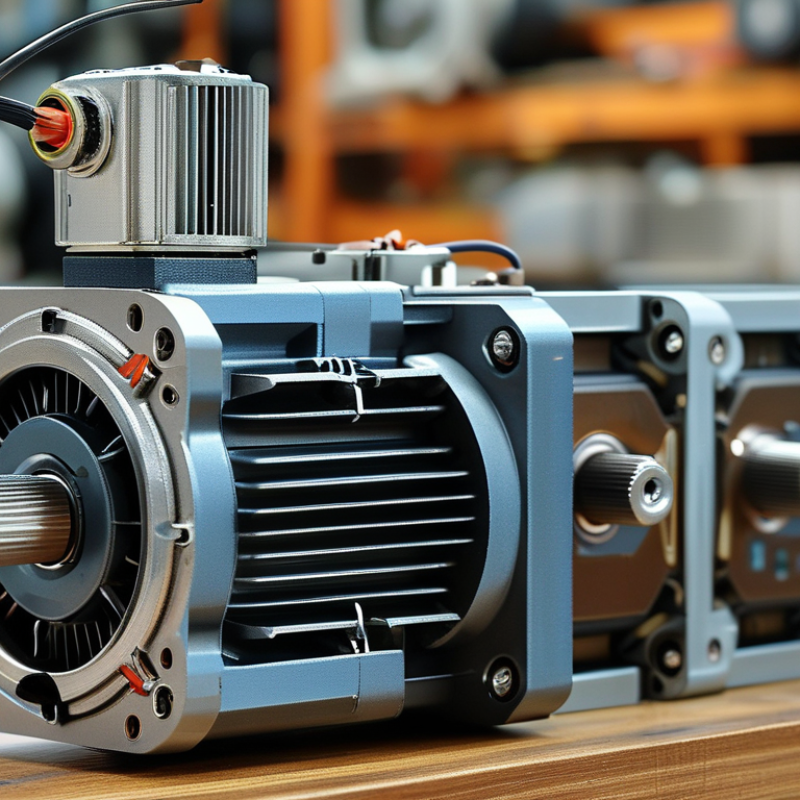
When selecting small DC motors, buyers should prioritize key characteristics that align with their specific applications. Efficiency is crucial. The average efficiency of small DC motors ranges from 75% to 90%, depending on design and application. High-efficiency motors can reduce energy consumption and operational costs. For instance, a 2019 report highlighted that energy-efficient motors save up to 10% on electricity bills for manufacturing plants.
Torque and speed are also essential parameters. Buyers must understand the torque requirements of their application. A motor that provides insufficient torque can lead to performance issues. Compatibility with varying voltage inputs is vital. For instance, many small DC motors operate at voltages between 3V and 24V. However, their performance could decline outside this range, affecting reliability.
Finally, thermal management cannot be overlooked. Many small DC motors generate heat during operation. Excessive heat can degrade performance and lifespan. Integrating proper heat dissipation techniques, like heatsinks or fans, is essential. Industry studies show that managing temperature can extend motor life by 30%. Buyers should consider these factors closely to make informed decisions.
| Motor Type | Voltage (V) | Current (A) | RPM | Torque (mN·m) | Weight (g) |
|---|---|---|---|---|---|
| Coreless Motor | 3 | 0.5 | 15000 | 30 | 15 |
| Brushed Motor | 6 | 1.0 | 12000 | 50 | 20 |
| Brushless Motor | 12 | 0.8 | 10000 | 70 | 25 |
| Planetary Gear Motor | 5 | 1.2 | 3000 | 90 | 50 |
| Gear Motor | 9 | 1.5 | 5000 | 40 | 30 |
| Stepper Motor | 24 | 0.6 | 2000 | 20 | 40 |
| Servo Motor | 5 | 1.0 | 18000 | 35 | 30 |
| Micro DC Motor | 1.5 | 0.3 | 12000 | 15 | 10 |
| High Torque Motor | 12 | 2.0 | 3000 | 120 | 45 |
| Low Voltage Motor | 3 | 0.2 | 30000 | 10 | 8 |
: Small DC motors typically range from 75% to 90% efficiency. This varies by design and application.
Torque impacts performance significantly. Insufficient torque can lead to failure in application requirements.
Many small DC motors function best between 3V and 24V. Performance declines if voltage exceeds this range.
Excessive heat can degrade performance and shorten motor life. Managing thermal conditions is crucial for longevity.
Geared DC motors provide high torque at low speeds. They are ideal for robotics and confined spaces.
Brushless motors are more reliable and consume less power. They excel in continuous operations, such as in drones.
Yes, balancing performance and cost can be challenging. Trade-offs may be necessary depending on application demands.
It's critical. Each application has unique needs that affect motor choice and performance outcomes.
Implement effective heat dissipation solutions. Use heatsinks or fans to maintain optimal operating temperatures.
Absolutely. Some models may lack the necessary torque or speed, impacting performance when demand increases.
The article "Top 10 Small DC Motor Options for Global Buyers" provides an insightful overview for buyers looking to understand the key features of small DC motors. It emphasizes important characteristics such as efficiency, torque ratings, and application-specific advantages that are crucial when selecting the right motor. Additionally, the article highlights leading manufacturers from around the world, offering a global perspective on the market landscape.
Furthermore, it discusses emerging trends and innovations in small DC motor technology, illustrating how these developments can enhance performance and open up new applications. Whether for industrial use or consumer products, understanding these dynamics is essential for making informed purchasing decisions in the small DC motor market.
